Nanterre Theater Faces Potential €800,000 Funding Cut
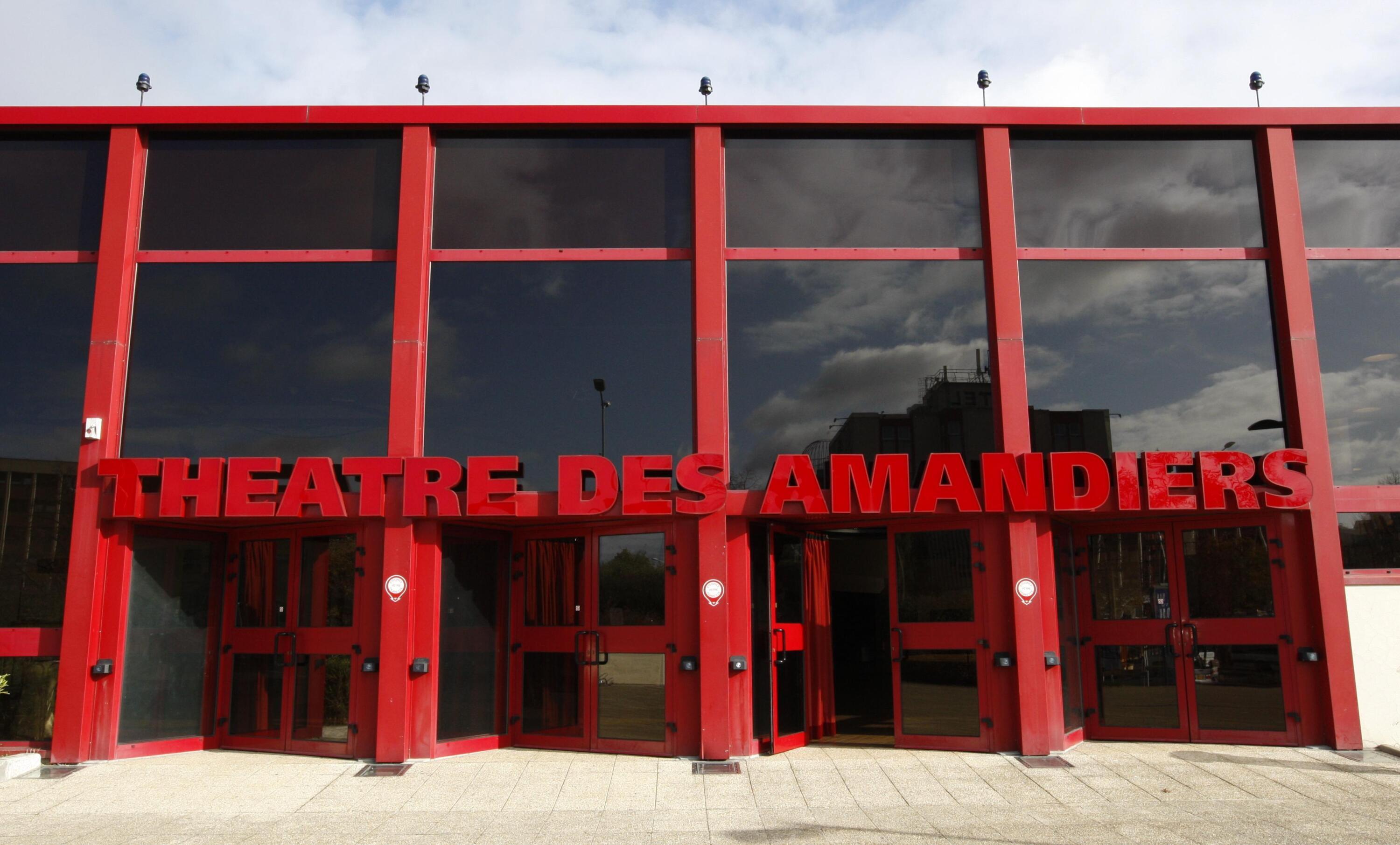
The Théâtre des Amandiers in Nanterre is reportedly facing a significant reduction in state funding, with an estimated cut of 800,000 euros. This potential cancellation of budget credits is part of a broader measure by the French state targeting 28 performing arts organizations. The proposed funding reduction is slated for the second half of 2026. The theater, a prominent cultural institution, relies heavily on public subsidies to maintain its operations and programming. Such a substantial cut could have severe implications for its artistic projects, staffing, and overall viability. The news has raised concerns within the cultural sector about the state's commitment to supporting the arts. The specific reasons behind this proposed budgetary adjustment have not yet been fully detailed by the authorities. This situation highlights the precarious financial landscape many cultural establishments navigate, often dependent on government allocations.
The potential reduction in state funding for the Théâtre des Amandiers and other performing arts institutions warrants examination through the lens of cultural policy and fiscal sustainability. Such budgetary decisions by the state can reflect evolving priorities, economic pressures, or a re-evaluation of public investment in the arts. Understanding the rationale behind these cuts, whether driven by deficit reduction, reallocation of resources, or performance metrics, is crucial for assessing their long-term impact on France's cultural ecosystem. The reliance of cultural bodies on state subsidies presents a systemic vulnerability, particularly in an era where digital transformation and changing audience engagement models necessitate adaptive strategies. This situation prompts reflection on the balance between public funding, private patronage, and earned revenue streams for cultural organizations, and how these can be structured to ensure resilience and artistic innovation in the coming decade.
AI-generated to prompt reflection — not editorial opinion, not advice, not a statement of fact. How this works.