Nantes Grapples with Rising Gun Violence and Drug Trafficking
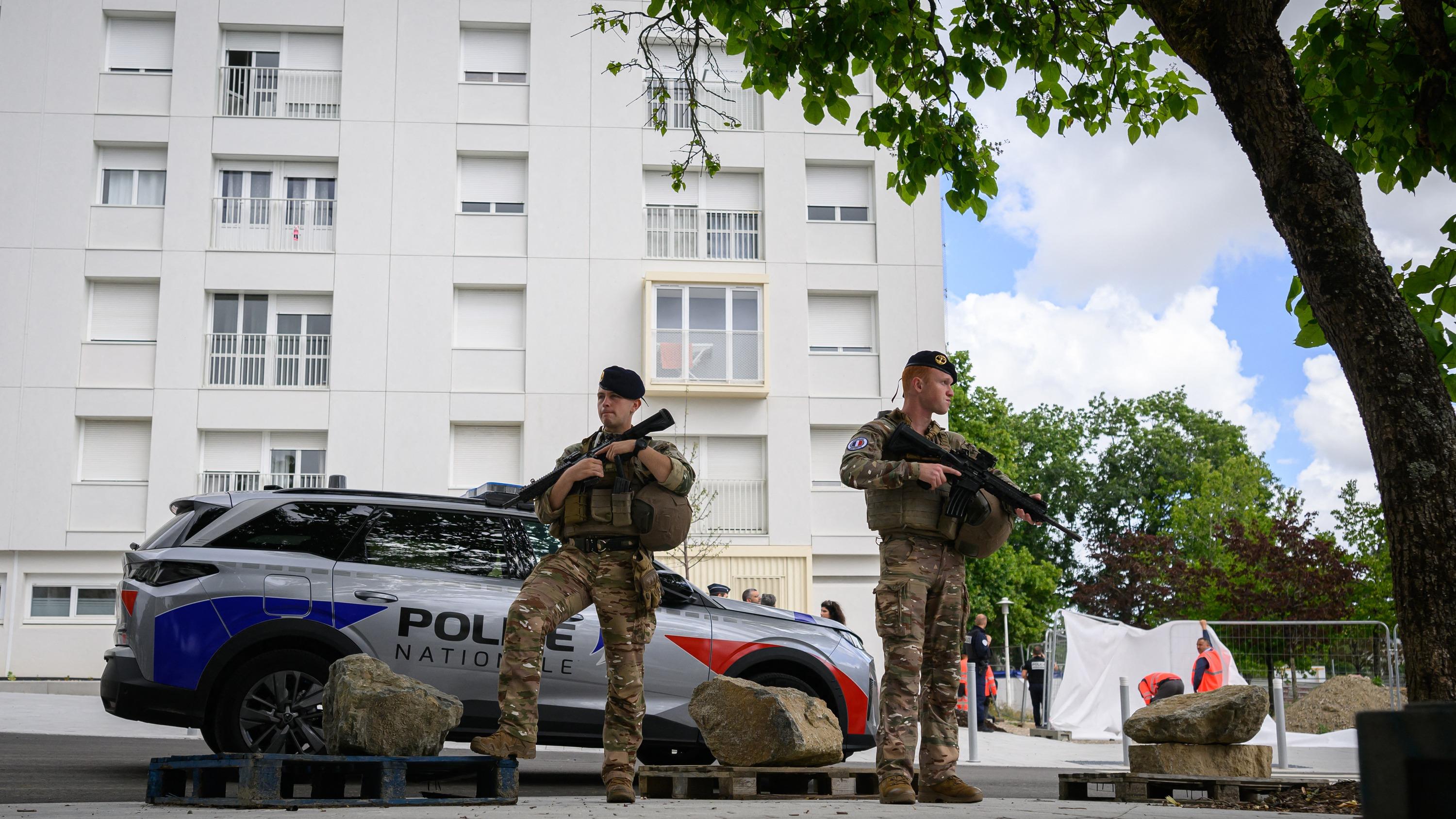
Nantes, France's sixth-largest city, is experiencing an unprecedented surge in fatal shootings since the spring, leading to concerns about its growing role in drug trafficking in the western region. The city has become a significant hub for organized crime, with rival groups increasingly armed and emboldened in their territorial disputes. This escalation in violence has created a climate of fear and instability, drawing comparisons to the challenges faced by other French cities dealing with similar issues. Authorities are reportedly struggling to contain the escalating situation, which has been characterized by open-air drug dealing and violent confrontations. The situation highlights the complex interplay between drug markets, organized crime, and public safety in urban environments. The increasing armament of criminal groups suggests a breakdown in deterrence and an intensification of competition for control over illicit markets. This phenomenon, sometimes referred to as "Marseillisation," points to a worrying trend of escalating violence in French cities.
The escalating violence and drug trafficking in Nantes suggest a breakdown in local governance and law enforcement's capacity to deter organized crime. The "Marseillisation" trend, if accurate, indicates a systemic issue of expanding illicit economies and the associated public safety risks. This situation demands a multi-faceted approach, addressing not only law enforcement but also socioeconomic factors that may contribute to recruitment into criminal networks. Looking ahead, the increasing sophistication and armament of these groups pose a significant challenge to public order and could deter investment and tourism, impacting the city's long-term economic and social health. Effective strategies will likely require enhanced inter-agency cooperation, community engagement, and potentially innovative technological solutions for surveillance and intelligence gathering.
AI-generated to prompt reflection — not editorial opinion, not advice, not a statement of fact. How this works.