Naples Connects with Argentina's World Cup Final Through Maradona's Legacy
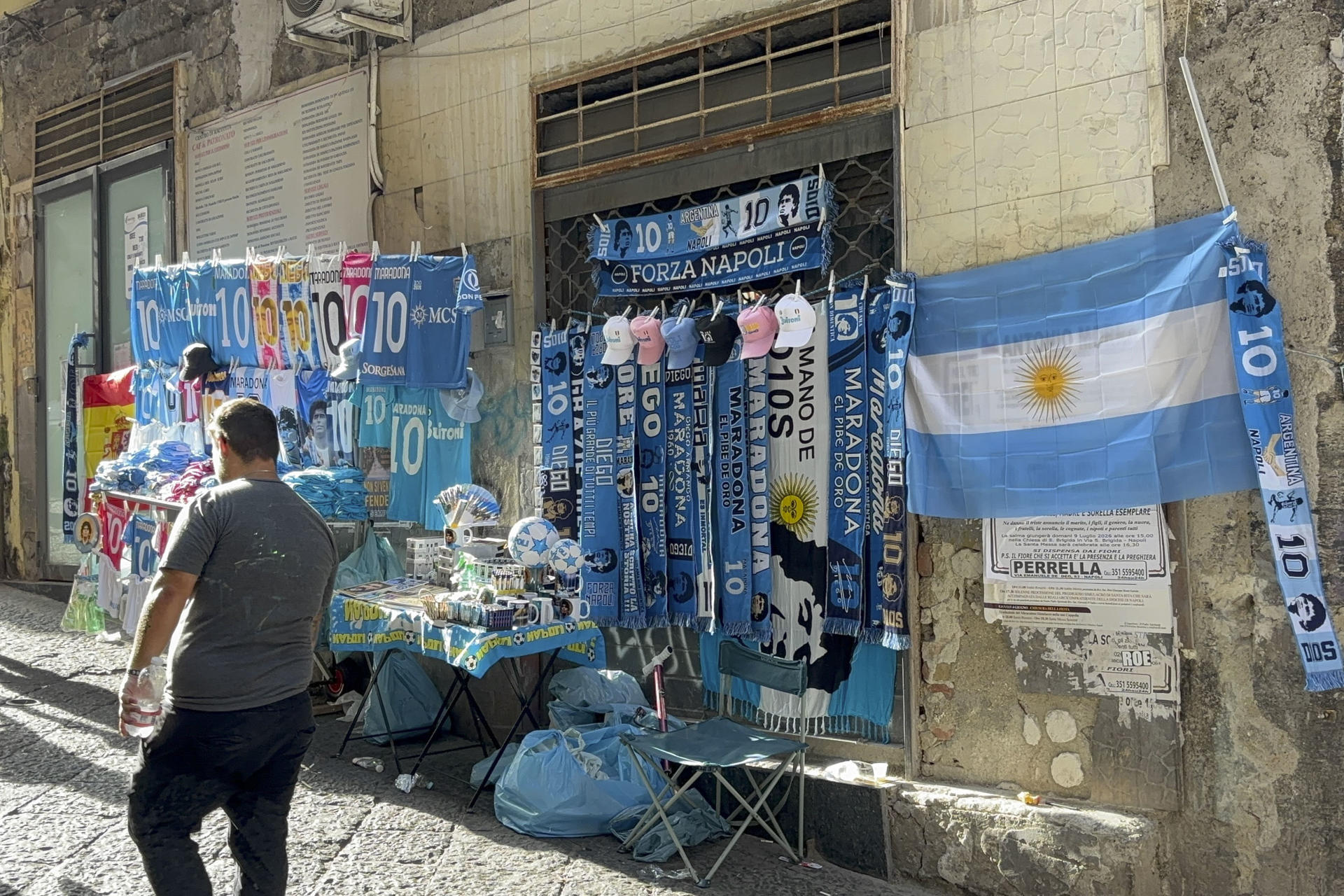
The streets of Naples are echoing the excitement of the World Cup final, demonstrating the enduring connection between the city and Argentina. This bond is deeply rooted in the profound impact Diego Maradona had on Naples during his time there, an era that transformed the city's history. Maradona's legacy continues to unite Neapolitans with the Argentine national team, affectionately known as La Albiceleste. The city's palpable enthusiasm for the current World Cup final highlights how Maradona's influence transcended sport, creating a lasting cultural and emotional link. This connection is evident in the shared passion and collective experience of Argentinian football, even decades after Maradona's departure. The event serves as a powerful reminder of how a single individual can forge such strong and lasting ties between distant communities. The city's vibrant atmosphere reflects a shared identity and a collective memory centered around Maradona's contributions.
The enduring emotional resonance of Diego Maradona's tenure in Naples illustrates the potent influence of sporting heroes on urban identity and international relations. This connection, amplified by Argentina's participation in the World Cup final, highlights how shared cultural touchstones can foster deep-seated allegiances that transcend national borders and time. From a systems perspective, such phenomena underscore the power of narrative and collective memory in shaping public sentiment and fostering community cohesion, particularly in the context of globalized media. The sustained visibility of this bond suggests opportunities for leveraging cultural diplomacy and soft power through sports, potentially influencing tourism, economic exchange, and inter-cultural understanding in the long term. It also raises questions about how future sporting icons might forge similar, albeit digitally mediated, connections in an increasingly interconnected world.
AI-generated to prompt reflection — not editorial opinion, not advice, not a statement of fact. How this works.