Naples' Miracles: Saint's Blood Liquefies Amid Summer Heat
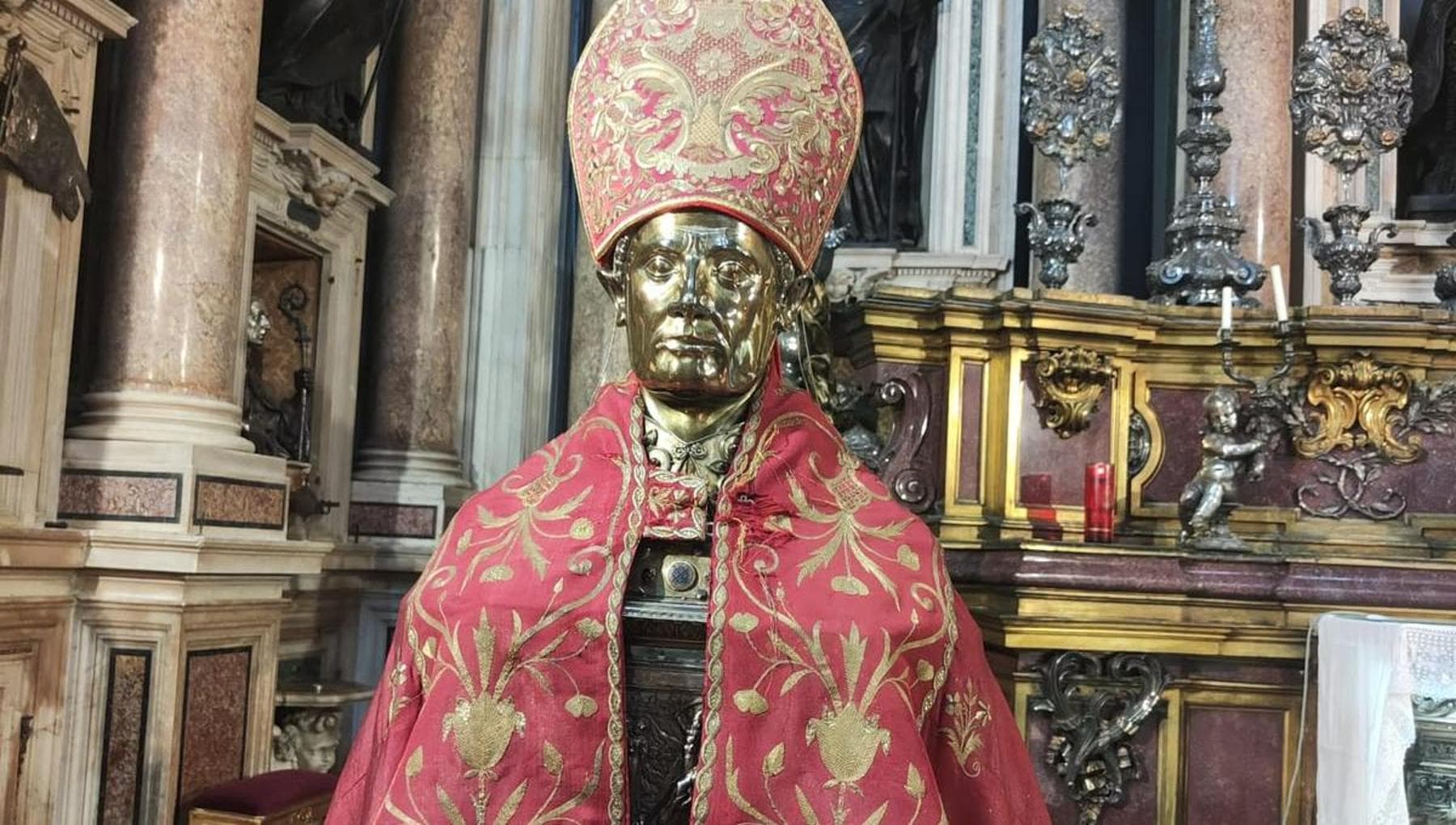
Naples, Italy, is a city known for more than just the miraculous liquefaction of Saint Januarius's blood. This phenomenon, a deeply ingrained tradition, is not the only reported prodigy associated with the city. Historical records indicate other instances of liquefaction, and notably, these events consistently occur during the summer months. The annual liquefaction of Saint Januarius's blood is a significant event for the city and its faithful, drawing considerable attention each year. While the most famous is that of the patron saint, the tradition acknowledges other similar occurrences. These lesser-known miracles also involve the transformation of a substance, mirroring the patron saint's event. The timing of these occurrences, exclusively in the summer, suggests a potential connection to environmental factors or a cyclical aspect of the tradition itself. The city of Naples thus holds a rich tapestry of devotional practices, where supernatural claims are woven into its cultural and historical fabric, particularly during the warmer seasons.
The tradition of blood liquefaction in Naples, particularly that of Saint Januarius, presents a fascinating intersection of faith, culture, and observable phenomena. From a systems perspective, the persistence of such traditions over centuries highlights the powerful role of collective belief and ritual in shaping societal identity and continuity. The recurring summer timing of these events, while traditionally interpreted through a spiritual lens, invites objective inquiry into potential environmental correlations or the socio-cultural dynamics that reinforce the practice during specific periods. Understanding the enduring appeal and societal function of these miracles, independent of their supernatural claims, offers insights into human psychology, community cohesion, and the management of collective memory through tangible, recurring events.
AI-generated to prompt reflection — not editorial opinion, not advice, not a statement of fact. How this works.