Naples Museum Develops Tactile Protocol for Blind Visitors to Touch 18th-Century Sculptures
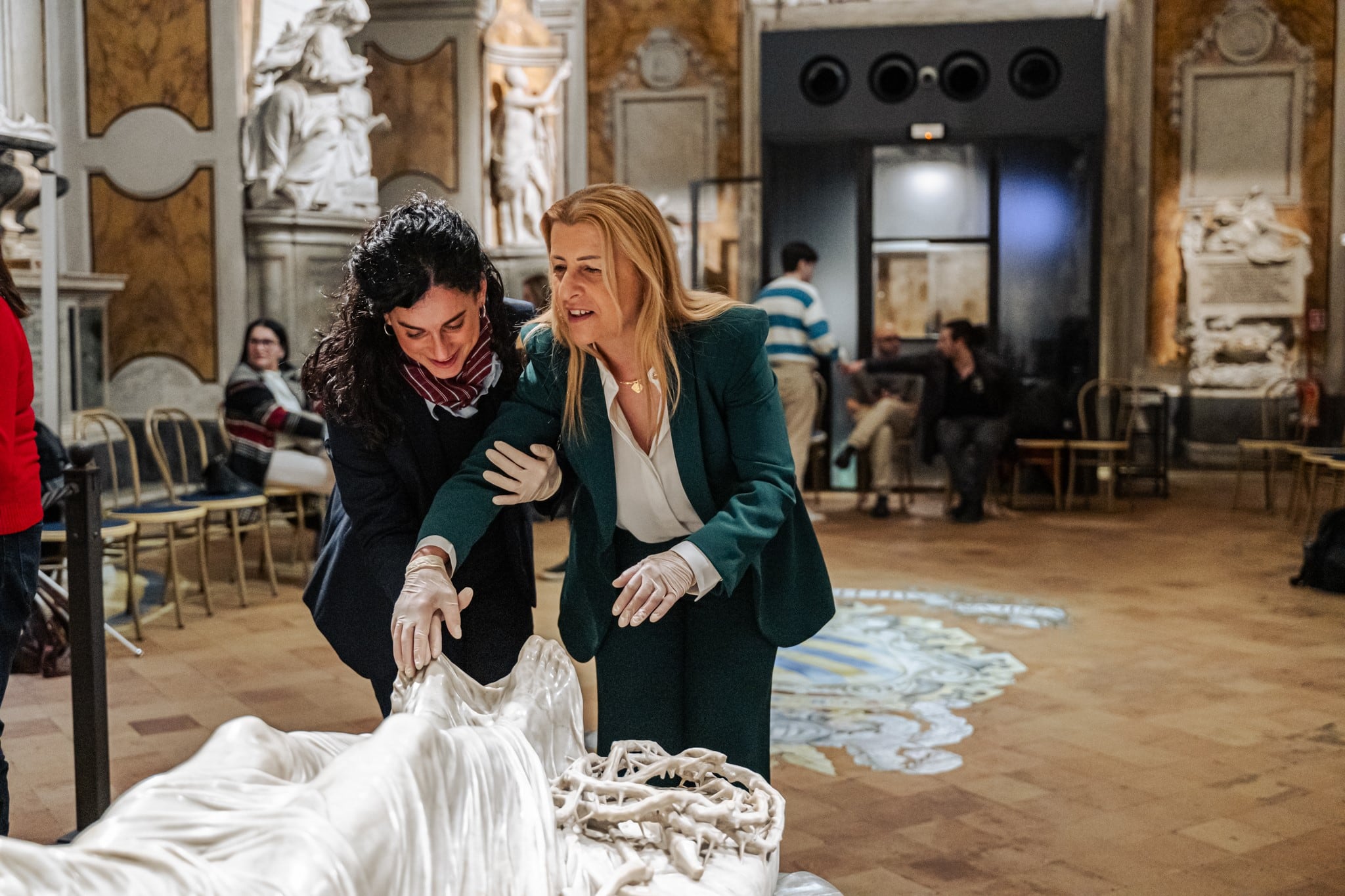
The Cappella Sansevero museum in Naples, Italy, has pioneered a new protocol enabling visually impaired individuals to experience 18th-century sculptures through touch. This innovative approach aims to enhance accessibility without endangering the historical integrity of the artworks. The museum has developed a specialized system that allows blind visitors to interact with replicas or specific parts of the sculptures. This initiative is part of a broader effort to make cultural heritage more inclusive and accessible to everyone. The Cappella Sansevero is renowned for its collection, including the Veiled Christ sculpture, which draws many visitors annually. The museum's commitment to accessibility demonstrates a forward-thinking approach to cultural preservation and public engagement. This protocol could serve as a model for other museums seeking to balance preservation with visitor experience for diverse audiences. The development involved careful consideration of material, handling techniques, and visitor guidance to ensure the safety of both the patrons and the artifacts.
The Cappella Sansevero's initiative addresses a critical tension between historical preservation and public access, particularly for individuals with disabilities. By developing a tactile protocol, the museum leverages technology and thoughtful design to democratize cultural engagement, moving beyond passive observation. This approach anticipates a future where AI and advanced sensory technologies could further bridge physical and perceptual divides in heritage sites. The success of this protocol hinges on careful implementation and ongoing evaluation, balancing the desire for sensory experience with the imperative to protect fragile historical artifacts. It highlights a systemic shift towards inclusive design principles within cultural institutions, prompting consideration of how similar models can be applied globally to enhance accessibility and enrich public understanding of art and history.
AI-generated to prompt reflection — not editorial opinion, not advice, not a statement of fact. How this works.