Naples' Supervolcano: Assessing the Risk of a Catastrophic Eruption
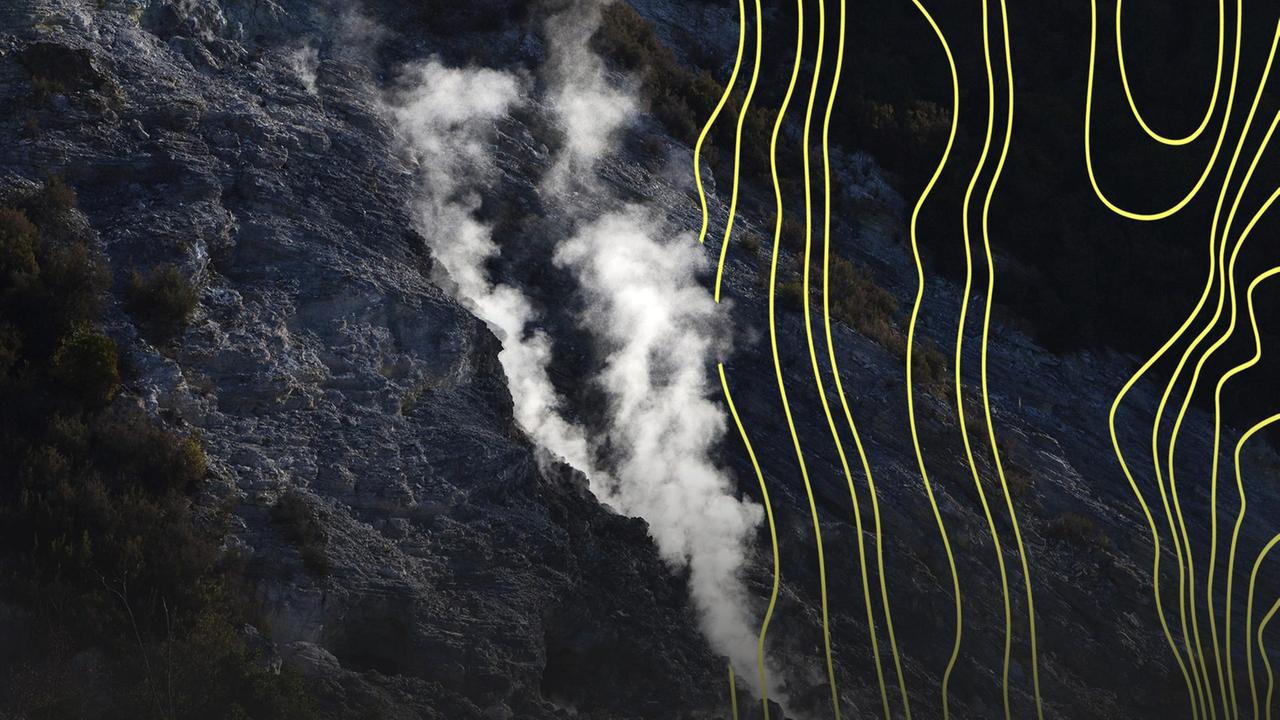
The region around Naples, Italy, has long lived with the threat of volcanic activity, a fear amplified by the presence of Mount Vesuvius, which buried Pompeii and last erupted in 1944. However, scientists are increasingly concerned about the Phlegraean Fields, a much larger supervolcano located beneath the Gulf of Naples. Researchers are closely monitoring rising seismic activity in and around the city. ARD correspondent Tilmann Kleinjung discusses the actual risk of a supereruption and how residents coexist with this danger. Italy's civil protection agency is actively preparing the city for a potential eruption through evacuation plans and drills. This preparation aims to mitigate the impact of a catastrophic event on the densely populated metropolitan area. The ongoing monitoring and preparedness measures highlight the scientific and governmental efforts to manage the inherent risks associated with living near such a powerful geological feature. The article also references previous discussions on seismic threats in Istanbul, underscoring the broader context of urban vulnerability to natural disasters.
The proximity of a densely populated metropolis like Naples to a supervolcano presents a significant, long-term systemic risk. While current seismic activity is being monitored, the potential for a supereruption, though statistically infrequent, carries catastrophic consequences. Preparedness measures, such as evacuation drills, are crucial for mitigating immediate loss of life but do not alter the underlying geological threat. Future urban planning and infrastructure development in such high-risk zones will need to increasingly integrate advanced geological forecasting and potentially consider long-term population dispersal strategies. The challenge lies in balancing immediate economic and social needs with the existential, albeit low-probability, high-impact risks posed by supervolcanoes in the coming decades.
AI-generated to prompt reflection — not editorial opinion, not advice, not a statement of fact. How this works.