Nara Park Deer Population Hits Record High for Second Consecutive Year
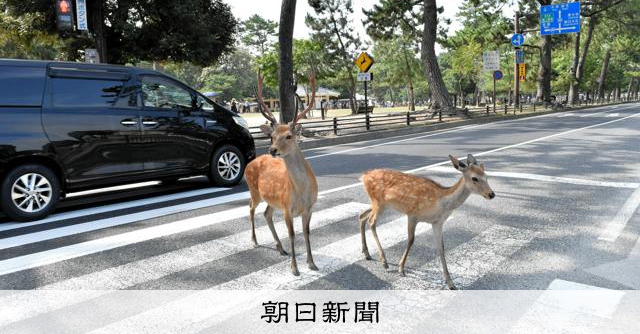
The population of wild deer in Nara Park has reached a new record of 1,687 individuals, marking the second consecutive year of the highest recorded numbers. This increase is attributed to the feeding of the deer by visitors. The park, a UNESCO World Heritage site, is home to hundreds of sika deer that roam freely. These deer are considered sacred messengers in Shinto tradition and are protected by the local government. Visitors are often encouraged to feed the deer special crackers, which has become a popular tourist activity. However, the growing population raises concerns about the deer's health and the park's ecosystem. Experts suggest that the continuous increase in feeding by humans may be contributing to the unsustainable growth of the deer population. This situation highlights a complex relationship between tourism, cultural practices, and wildlife management in a protected natural environment. The local authorities are reportedly monitoring the situation closely.
The escalating deer population in Nara Park, directly linked to visitor feeding, presents a classic case of human intervention impacting wildlife dynamics. While feeding deer is a cherished cultural practice and tourist attraction, it disrupts natural foraging behaviors and can lead to overpopulation, potentially straining park resources and affecting the deer's long-term health. This situation underscores the challenge of balancing tradition and tourism with effective ecological stewardship. Future management strategies will likely need to address visitor education and potentially implement more controlled feeding protocols to ensure the sustainability of both the deer population and the park's delicate ecosystem, especially as global tourism trends continue to evolve.
AI-generated to prompt reflection — not editorial opinion, not advice, not a statement of fact. How this works.