NASA Aims to Ignite Unpredictable Fire on the Moon
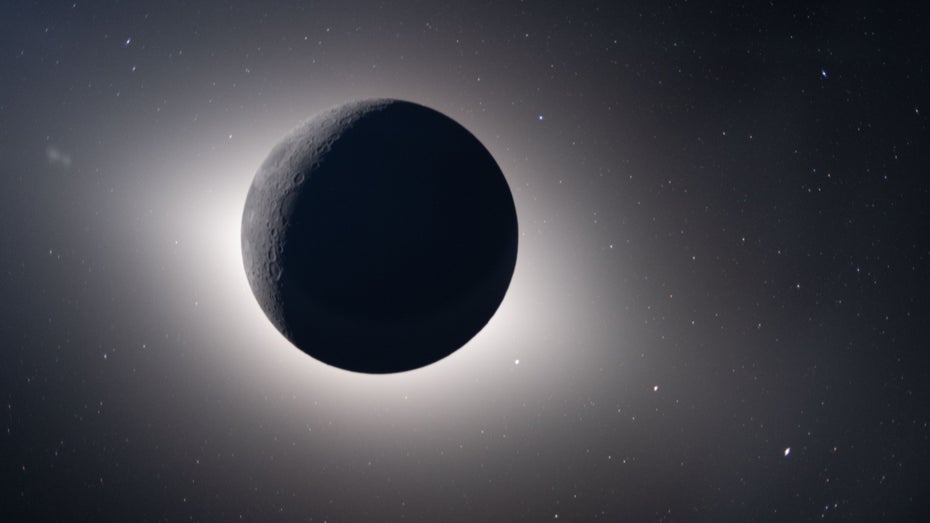
Preparations for future human settlements on celestial bodies are progressing rapidly, with a particular focus on a common but previously underestimated danger. This danger, fire, behaves under entirely new physical laws when far from Earth. Understanding and controlling fire in a low-gravity, oxygen-scarce environment is crucial for the safety of astronauts and the establishment of lunar bases. NASA's research aims to predict and manage fire behavior in these extreme conditions. This includes studying how flames spread, the types of materials that burn, and the potential for uncontrolled combustion. The findings will inform the design of habitats, safety protocols, and firefighting equipment for future lunar missions. Successfully addressing this challenge is a key step towards enabling long-term human presence beyond Earth.
The challenge of managing combustion in extraterrestrial environments like the Moon highlights the critical need for robust scientific understanding and technological innovation to support human space exploration. As humanity expands its presence beyond Earth, the development of safety protocols and infrastructure must proactively address the unique physical conditions encountered. This involves a careful balance between leveraging familiar terrestrial technologies and adapting them to the realities of microgravity and different atmospheric compositions. Future success hinges on anticipating and mitigating risks through rigorous research, ensuring that the expansion of human settlements is both sustainable and secure.
AI-generated to prompt reflection — not editorial opinion, not advice, not a statement of fact. How this works.