NASA Clarifies Demands for Private Space Station Development
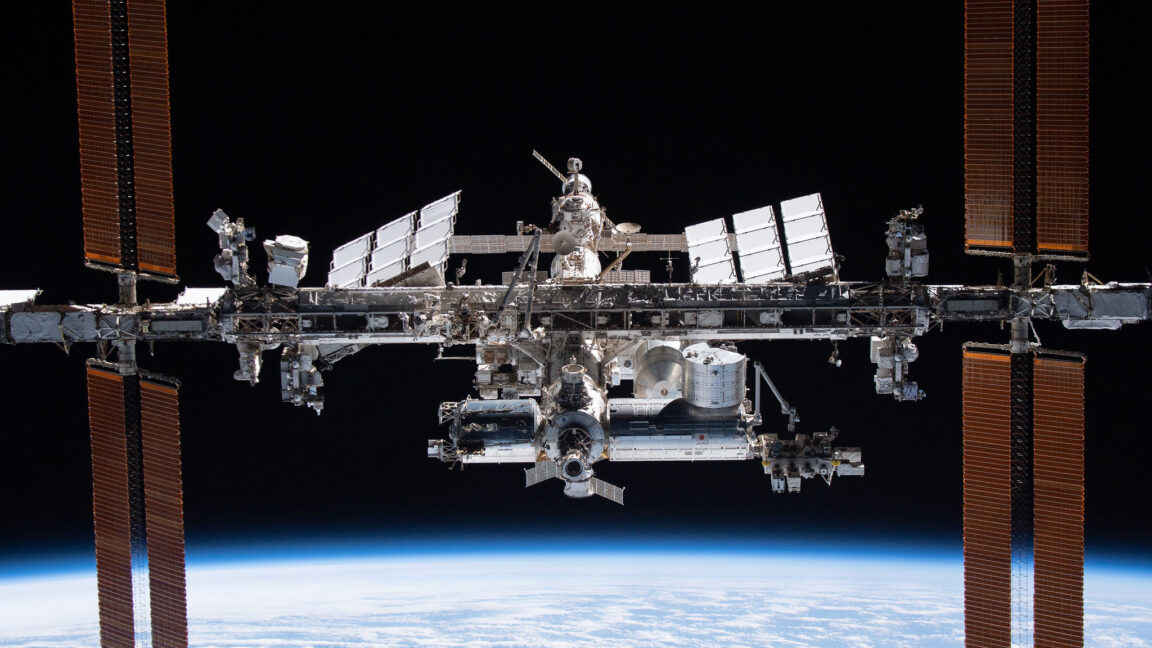
NASA has provided clarity to private companies regarding its requirements for the development of commercial space stations. This announcement aims to give the industry a definitive understanding of the agency's expectations as it seeks to foster a robust private space economy. The move is part of NASA's broader strategy to transition low-Earth orbit activities to the private sector, allowing the agency to focus on deep space exploration missions. Companies involved in developing these stations will now have a clearer roadmap to follow. This initiative is crucial for ensuring the successful establishment of a sustainable commercial presence in space. The agency's detailed specifications are expected to guide design, safety, and operational standards. This clarity is vital for private entities to make informed investment decisions and proceed with development. NASA's approach signifies a significant step in public-private partnerships for space infrastructure. The agency anticipates these commercial stations will serve various purposes, including research, tourism, and manufacturing. This transition is intended to reduce costs and increase access to space for a wider range of users.
NASA's explicit articulation of its demands for private space station development signals a maturing phase in the commercialization of low-Earth orbit. By providing clear requirements, the agency seeks to mitigate risks for private investors and accelerate the transition of space infrastructure. This approach leverages private sector innovation and capital while ensuring alignment with NASA's long-term strategic objectives, such as focusing on deep space exploration. The success of this model hinges on balancing NASA's specific needs with the economic viability and operational flexibility required by commercial entities. Future challenges may include ensuring interoperability between different private stations and managing the evolving regulatory landscape as space activities become more commercialized and crowded.
AI-generated to prompt reflection — not editorial opinion, not advice, not a statement of fact. How this works.