NASA Considers Robotic Servicing for Future Habitable Worlds Observatory
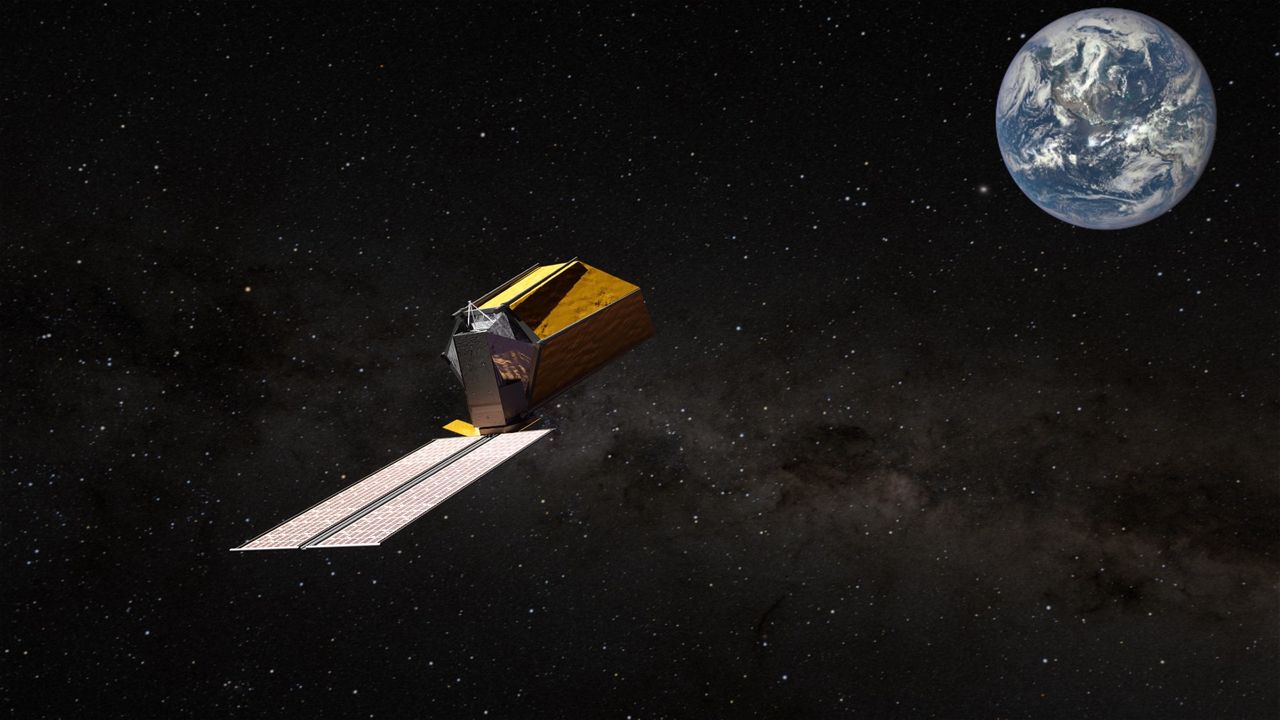
NASA is exploring the possibility of using robotic systems to service its future Habitable Worlds Observatory in space. This advanced telescope is being designed with the capability for in-orbit servicing, a significant departure from previous observatories. The agency is considering this approach to ensure the longevity and operational effectiveness of this ambitious mission. The Habitable Worlds Observatory aims to search for exoplanets that could potentially harbor life. The decision to incorporate robotic servicing reflects a growing trend in space exploration towards more sustainable and adaptable missions. This capability could allow for repairs, upgrades, or instrument replacements, extending the telescope's scientific lifespan. Such a feature would be crucial for a mission designed to operate for an extended period, potentially decades, in deep space. The development of robotic servicing technologies is a key area of focus for NASA and other space agencies.
The incorporation of robotic servicing for the Habitable Worlds Observatory represents a strategic shift towards enhancing mission resilience and maximizing return on investment in space-based assets. This approach acknowledges the inherent risks and costs associated with deep-space missions and seeks to mitigate them through modular design and remote maintenance capabilities. By enabling in-orbit servicing, NASA can potentially extend the operational life of the observatory, adapt to unforeseen technical challenges, and even upgrade scientific instruments over time, thereby increasing its long-term scientific output. This forward-thinking design philosophy aligns with the evolving landscape of space exploration, where sustainability and adaptability are becoming paramount for complex, multi-decade scientific endeavors.
AI-generated to prompt reflection — not editorial opinion, not advice, not a statement of fact. How this works.