NASA Delays Risky Satellite Rescue Mission Amidst Technical Hurdles
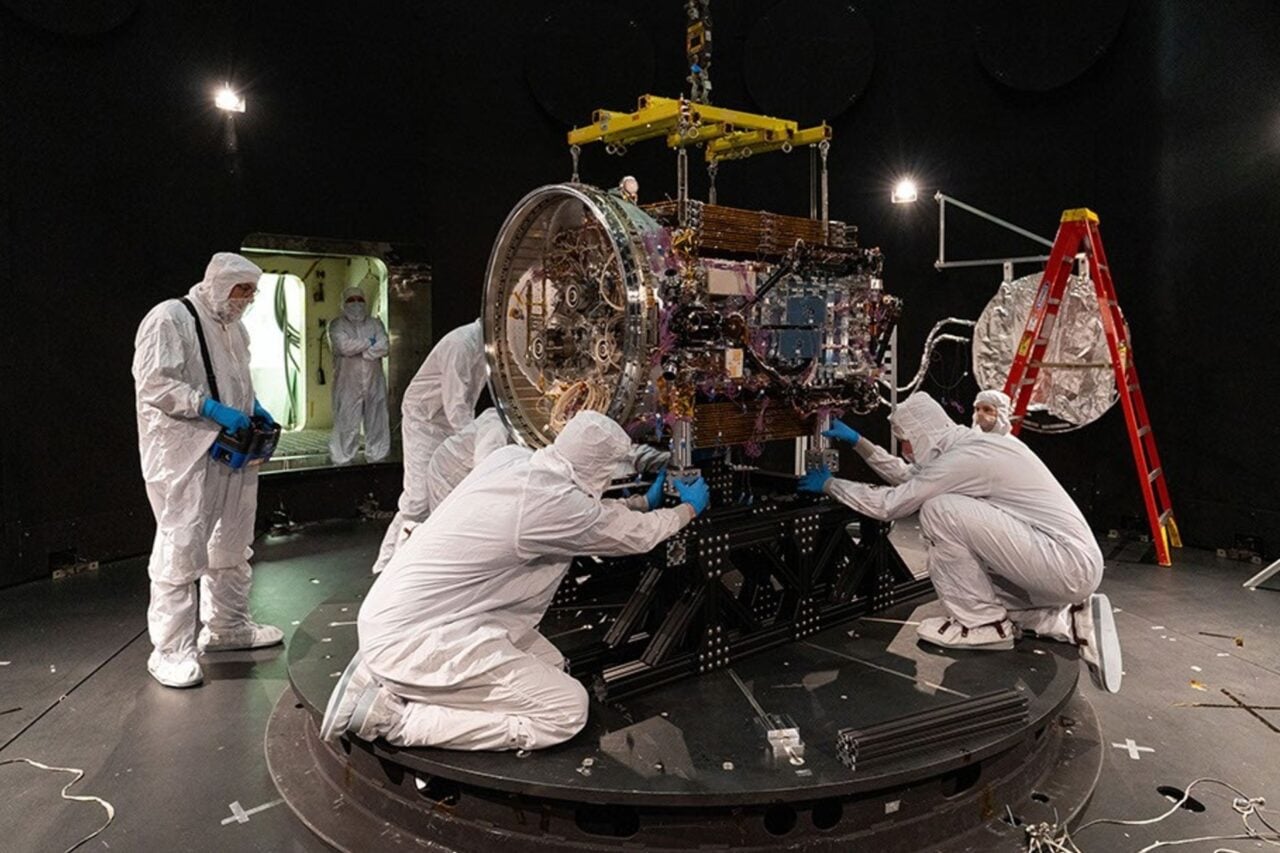
NASA is encountering significant delays in its unprecedented mission to relocate a vital scientific satellite to a more secure orbit. The agency's ambitious plan, designed to prevent the satellite from a potentially destructive re-entry into Earth's atmosphere, has been postponed for the past week. Despite these setbacks, NASA remains committed to proceeding with the launch. This operation marks a novel attempt to save a valuable 'multitool' orbital asset. The satellite, equipped with multiple scientific instruments, is crucial for ongoing research. The complexity of the maneuver presents considerable technical challenges. Engineers are working diligently to resolve the issues that have caused the delays. The success of this mission is critical for continuing important scientific observations. NASA aims to ensure the satellite's long-term functionality by moving it to a higher, safer trajectory. The agency is carefully monitoring the situation and preparing for the eventual launch.
NASA's attempt to manually adjust the orbit of a critical scientific satellite highlights the growing challenges in managing aging space assets. The inherent risks and technical complexities of such a maneuver underscore the need for robust contingency planning and potentially more resilient satellite designs. As space becomes increasingly crowded and valuable, the economic and scientific implications of losing such 'multitool' satellites are substantial. This situation prompts consideration of future orbital debris mitigation strategies and the development of autonomous or more easily serviceable spacecraft. The delay, while frustrating, reflects a cautious approach prioritizing mission success and safety over haste, a prudent strategy given the high stakes involved in space operations.
AI-generated to prompt reflection — not editorial opinion, not advice, not a statement of fact. How this works.