NASA Discovers Hidden Planet Using Einstein's Theory and TESS Data
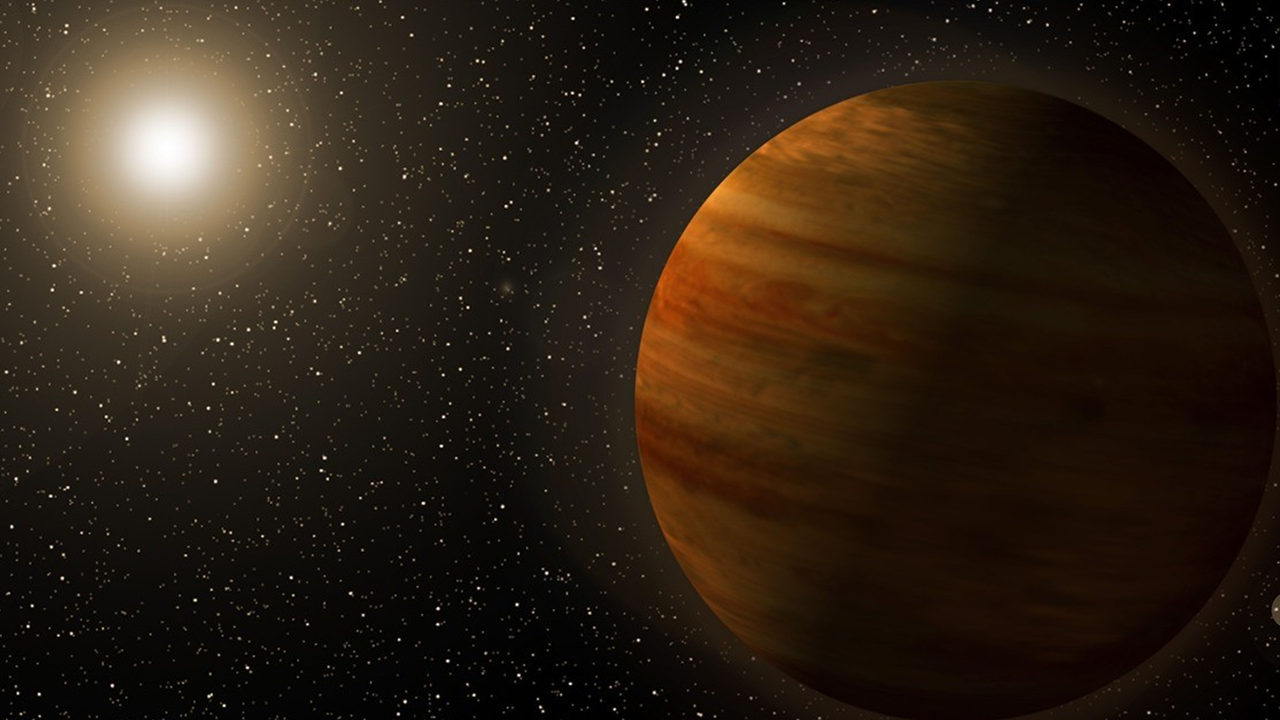
NASA's Transiting Exoplanet Survey Satellite (TESS) has identified a previously undiscovered planet by employing a novel detection method. This breakthrough is attributed to the application of Albert Einstein's theory of general relativity. The TESS mission, designed to search for exoplanets orbiting nearby stars, has now been enhanced with this new technique. This advancement allows scientists to uncover worlds that might otherwise remain concealed within the vast amounts of data collected by the spacecraft. The successful identification of this hidden planet demonstrates the power of combining cutting-edge observational technology with fundamental physics principles. Researchers are optimistic that this new approach will lead to the discovery of many more exoplanets in the future. The ability to find planets that are 'hiding' in the data signifies a significant step forward in exoplanetary science. This discovery underscores the enduring relevance of Einstein's theories in modern astronomical research.
The successful detection of a previously hidden exoplanet, facilitated by the application of Einstein's theory of general relativity to TESS data, highlights the synergistic potential between theoretical physics and observational astronomy. This advancement suggests that sophisticated data analysis techniques, grounded in fundamental scientific principles, can unlock new discoveries from existing datasets. The development of such methods is crucial for maximizing the scientific return from space missions. Looking ahead, the integration of advanced computational tools and refined analytical frameworks may accelerate the pace of exoplanet discovery, potentially revealing a more comprehensive understanding of planetary system diversity within our galaxy. This approach also encourages a re-evaluation of how historical and ongoing astronomical data might be re-analyzed with new theoretical lenses.
AI-generated to prompt reflection — not editorial opinion, not advice, not a statement of fact. How this works.