NASA Discovers Two "Super-Puff" Exoplanets in the Same System
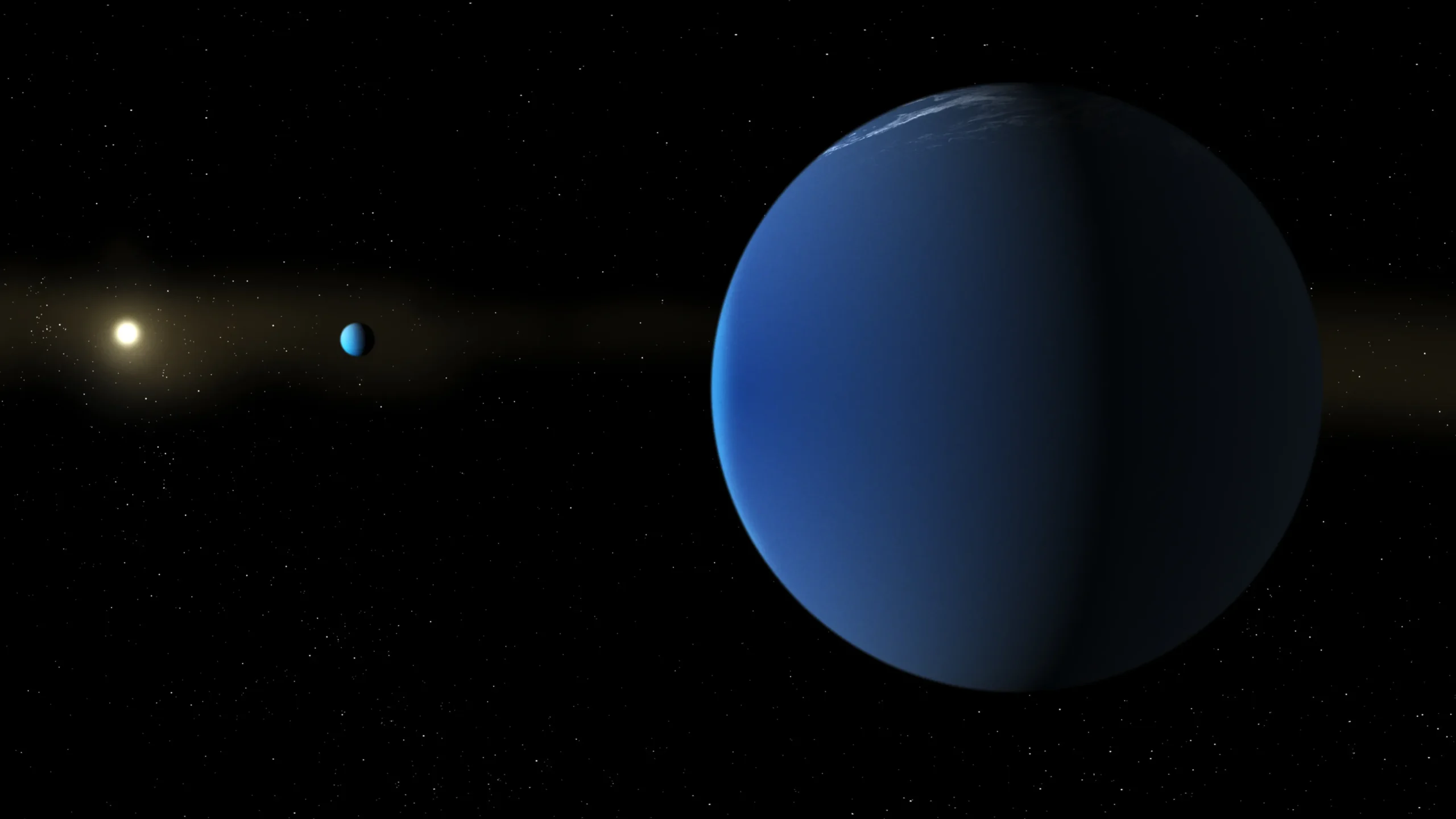
NASA's Transiting Exoplanet Survey Satellite (TESS) has identified two unusual exoplanets, both described as "super-puffs," orbiting within the same planetary system. These celestial bodies possess extremely low densities, leading to their characterization as being as light as cotton candy. The discovery highlights the diverse range of planetary types that exist beyond our solar system and demonstrates TESS's capability in detecting such unique worlds. Further study of these "cotton-candy" planets could provide valuable insights into planetary formation and atmospheric composition in extreme environments. The finding was reported by Sky & Telescope.
The discovery of two low-density exoplanets within a single system by NASA's TESS mission offers a compelling case study in planetary diversity. Analyzing the atmospheric composition and formation pathways of these "super-puff" planets, which defy typical density expectations, could refine current astrophysical models. Understanding the orbital dynamics and evolutionary history of such a system may reveal novel mechanisms for planet formation and stability, particularly concerning the co-existence of low-density bodies. This finding prompts further investigation into the prevalence of such unusual planetary architectures across the galaxy and their implications for the search for habitable worlds.
AI-generated to prompt reflection — not editorial opinion, not advice, not a statement of fact. How this works.