NASA Ends Saturn V Moon Rocket Production on August 1, 1968
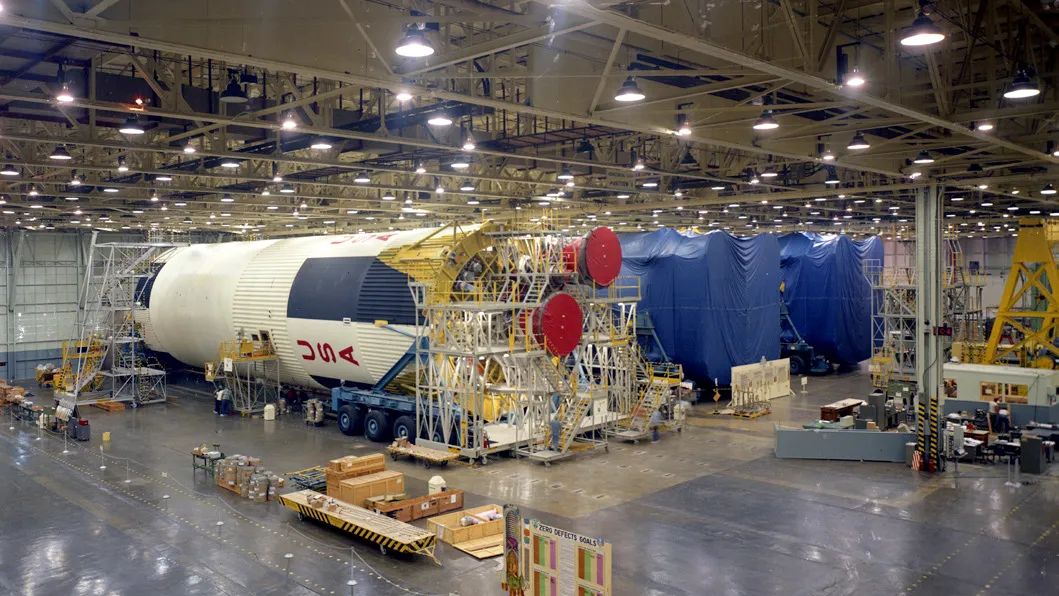
On August 1, 1968, NASA officially ceased production of its powerful Saturn V moon rocket. This decision came just one year prior to the monumental Apollo 11 mission, which would achieve the first human landing on the Moon. The cancellation was primarily driven by budget constraints, ultimately signaling the conclusion of the broader Apollo program. The Saturn V rocket was a critical component for NASA's lunar ambitions, representing a significant technological achievement in rocketry. Its discontinuation marked a pivotal moment in the space agency's history, shifting focus and resources after achieving its primary lunar objectives. The end of Saturn V production underscored the financial realities and shifting priorities that often shape ambitious, long-term scientific endeavors.
The termination of Saturn V production in 1968, despite its critical role in upcoming lunar missions, highlights the complex interplay between scientific ambition and fiscal realities. This decision, driven by budget concerns, demonstrates how financial limitations can necessitate difficult trade-offs, even when nearing the successful culmination of a major program. Looking ahead, such historical precedents serve as reminders for future large-scale technological and scientific undertakings, emphasizing the need for robust, long-term funding strategies and adaptable planning to navigate evolving geopolitical and economic landscapes. The event prompts reflection on how to sustain groundbreaking initiatives through their entire lifecycle, balancing immediate objectives with enduring programmatic health.
AI-generated to prompt reflection — not editorial opinion, not advice, not a statement of fact. How this works.