NASA Established on This Day in History
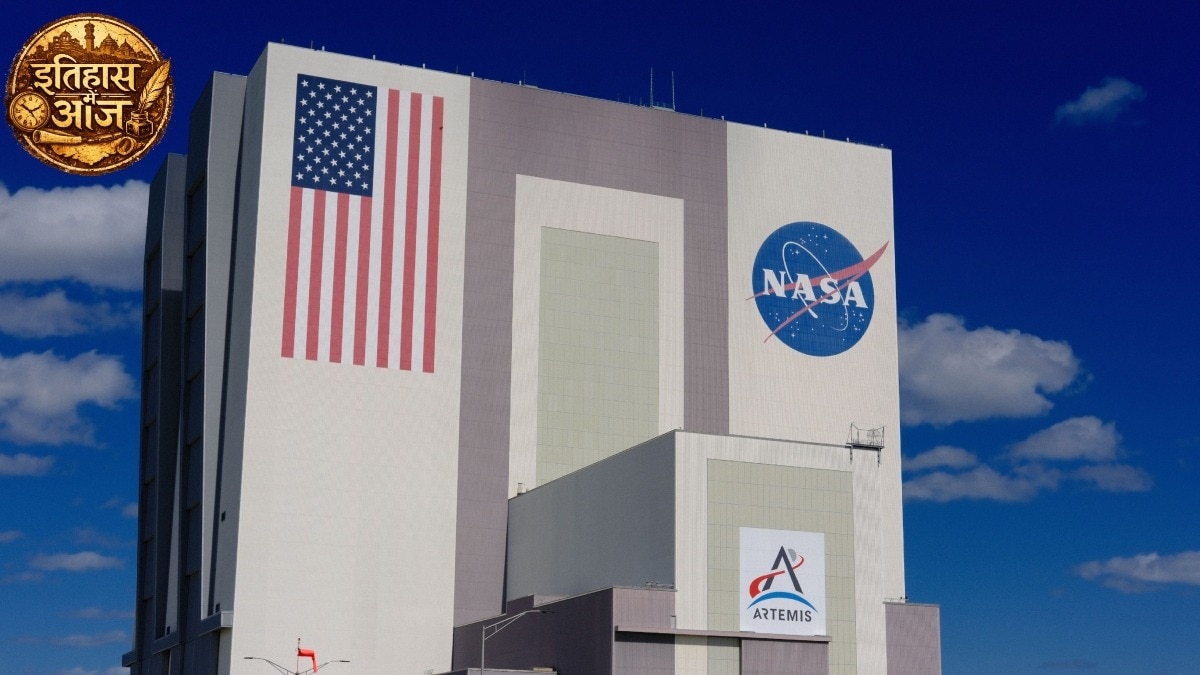
The United States space agency, NASA, was established on this day in history. The creation of NASA required the passage of a law. NASA's establishment was a direct response to the Soviet Union's space program and its advancements. This initiative marked a significant moment in the space race, as the US sought to compete and lead in space exploration. The agency's founding was a strategic move to consolidate American efforts in space. Ultimately, NASA achieved its goal of landing humans on the Moon, a monumental feat in scientific and engineering history. The agency has since continued to be at the forefront of space exploration and research.
The establishment of NASA was a pivotal moment driven by geopolitical competition, specifically the space race with the Soviet Union. This event highlights how national security concerns and the pursuit of technological supremacy can catalyze significant investment in scientific research and development. The agency's subsequent success in reaching the Moon demonstrates the power of focused, long-term strategic planning and resource allocation. Looking ahead, NASA's role continues to evolve, facing new challenges and opportunities in areas like climate science, deep space exploration, and the commercialization of space, all within the context of an increasingly interconnected global landscape and the accelerating pace of technological change.
AI-generated to prompt reflection — not editorial opinion, not advice, not a statement of fact. How this works.