NASA Establishes Crew Exposure Limits for Martian Dust
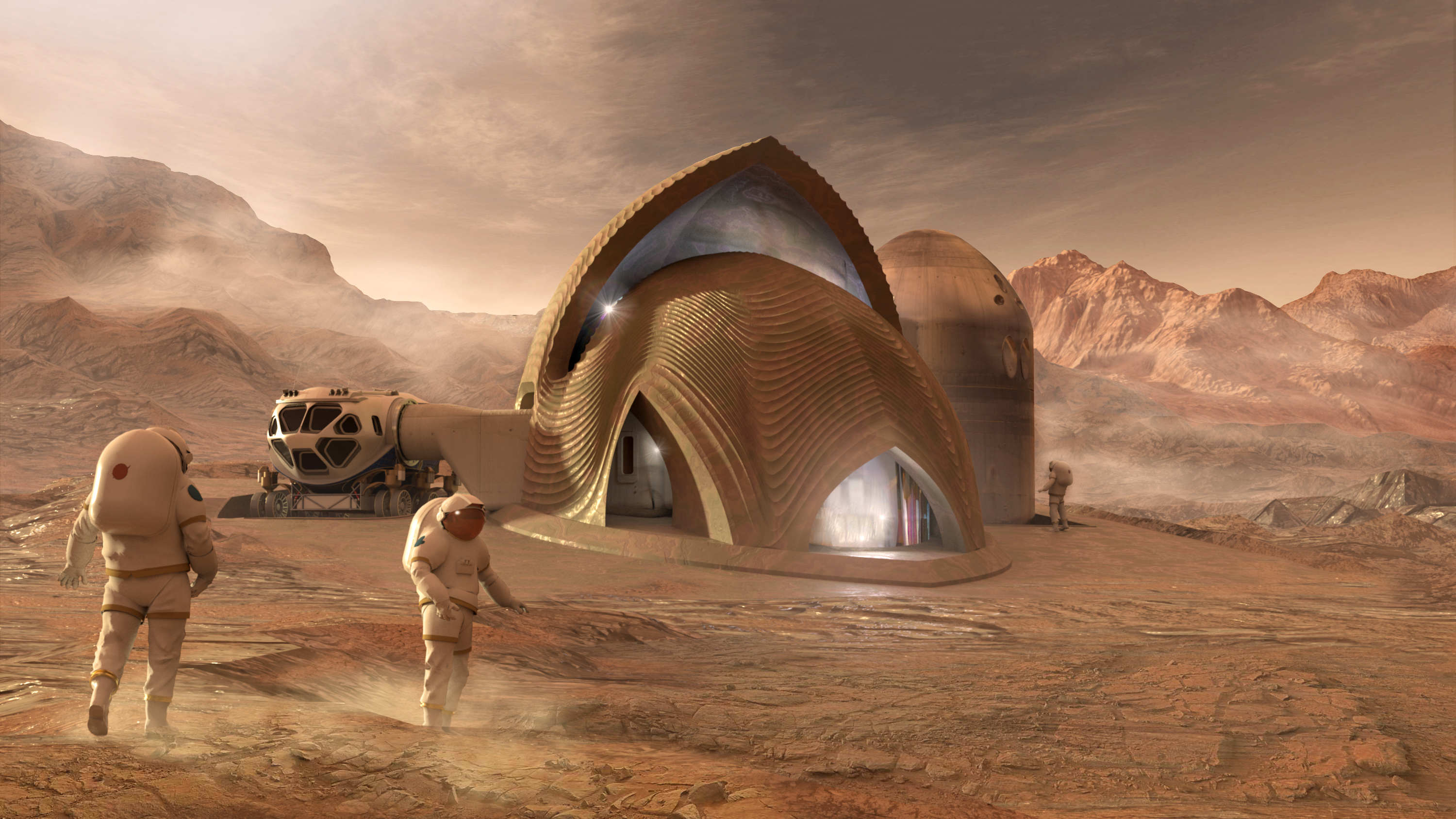
Human missions to Mars will inevitably expose astronauts to fine Martian dust, the health effects of which are not fully understood. NASA is developing guidelines for acceptable crew exposure levels to this dust. Currently, no actual Martian airborne dust samples have been brought back to Earth for study. Therefore, NASA's research relies on data from lunar dust toxicology studies, simulations of Martian soil (regolith), and extensive geochemical and mineralogical information gathered by Mars rovers and landers. This approach is crucial for safeguarding astronaut health during future long-duration stays on the Martian surface. The agency aims to define safe limits to mitigate potential respiratory and other health issues associated with inhaling Martian particulates. Understanding the unique composition and behavior of Martian dust is a key challenge in planning for human interplanetary travel. Continued research will inform the development of effective dust mitigation strategies and personal protective equipment for astronauts.
The development of crew exposure limits for Martian dust represents a critical step in risk management for long-term human spaceflight. The reliance on indirect data sources highlights the inherent challenges of interplanetary exploration, where direct sampling and analysis are often infeasible. Establishing these limits will necessitate a robust scientific framework balancing astronaut safety with mission feasibility. Future considerations may involve advancements in remote sensing and in-situ analysis technologies to refine our understanding of Martian dust's properties. This proactive approach to environmental hazards is essential for the sustainable expansion of human presence beyond Earth, anticipating the long-term physiological impacts within the evolving context of space colonization.
AI-generated to prompt reflection — not editorial opinion, not advice, not a statement of fact. How this works.