NASA Launches Robotic Mission to Rescue Falling Space Telescope
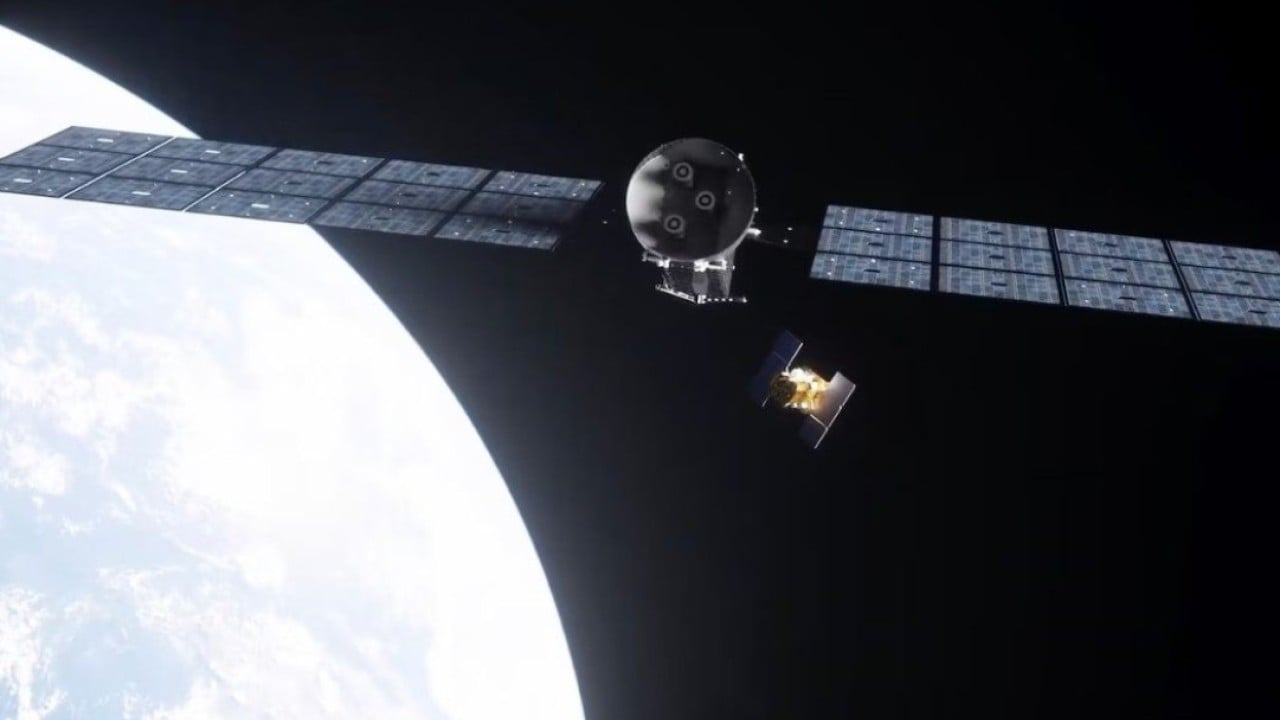
NASA initiated a robotic mission on Friday with the goal of preventing the aging Swift space telescope from burning up upon atmospheric re-entry. This complex operation, costing an estimated US$30 million, is anticipated to span several months. The mission involves dispatching a robot to intercept and rescue the Swift telescope, which is currently on a trajectory towards Earth. If this unprecedented endeavor proves successful, it could establish a precedent for extending the operational lifespan of other satellites. The launch, originally planned for Tuesday, experienced delays attributed to unfavorable weather conditions before proceeding.
This robotic rescue mission highlights a critical challenge in space asset management: the finite lifespan of sophisticated equipment and the increasing economic and scientific value of maintaining these assets in orbit. The US$30 million investment in salvaging the Swift telescope underscores the potential return on investment for extending satellite functionality, particularly for scientific instruments. This initiative could signal a shift towards a more sustainable space economy, where repair and refurbishment become viable alternatives to costly replacements. The success of this mission may influence future designs and operational strategies for space-based observatories and other satellites, potentially reducing orbital debris and maximizing scientific output over the long term.
AI-generated to prompt reflection — not editorial opinion, not advice, not a statement of fact. How this works.