NASA Mission to Study Wildfire Smoke Plumes for Better Predictions
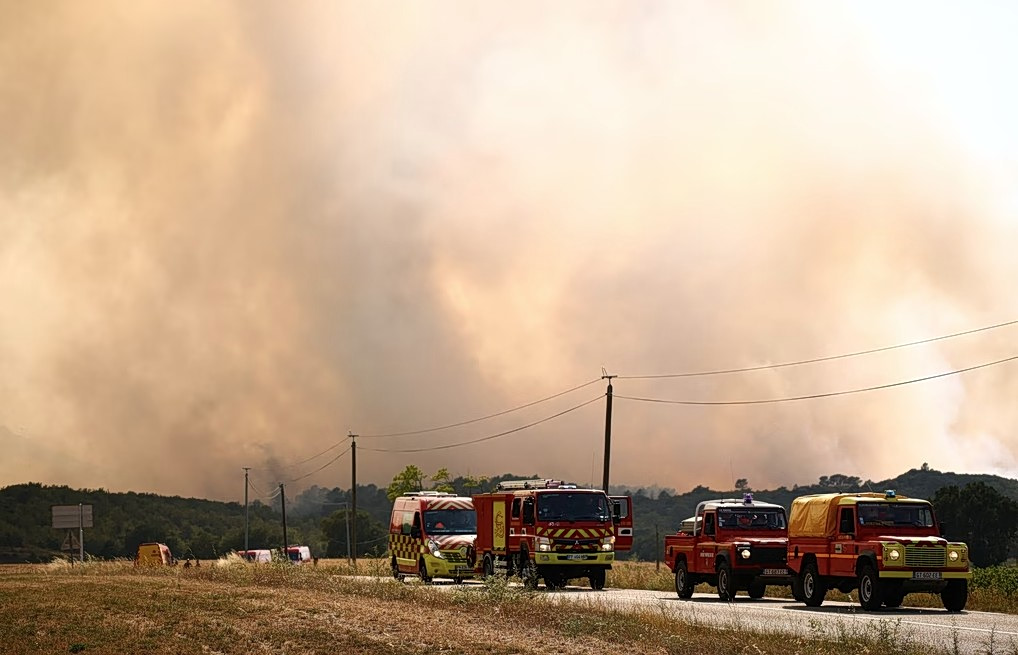
NASA is preparing a mission involving aircraft that will fly directly into the storms generated by wildfires. The primary goal of this initiative is to improve the accuracy of wildfire predictions and enhance civil protection efforts. Scientists are currently struggling to fully understand the complex behavior of smoke plumes rising from these fires. The mission aims to gather crucial data to demystify these phenomena. By flying through the firestorms, NASA hopes to gain unprecedented insights into the atmospheric dynamics at play. This will allow for more precise forecasting of fire spread and intensity. Ultimately, the gathered information will bolster the capabilities of civil protection agencies in responding to and mitigating the impact of wildfires. The initiative underscores the growing scientific concern over the unpredictable nature of large-scale wildfires and their associated smoke clouds.
The deployment of aircraft into wildfire storms by NASA represents a significant investment in understanding complex atmospheric phenomena. This initiative aims to improve predictive capabilities, addressing a critical gap in current wildfire management strategies. By seeking to demystify smoke plume behavior, NASA is tackling a key uncertainty that affects both environmental impact and public safety. The focus on enhanced civil protection suggests a recognition of the escalating risks posed by climate change-induced wildfires. This data-driven approach seeks to provide actionable intelligence for policymakers and emergency responders, moving beyond reactive measures towards more proactive risk mitigation. The long-term implications include potentially more resilient communities and a better-equipped global response to increasingly severe fire events.
AI-generated to prompt reflection — not editorial opinion, not advice, not a statement of fact. How this works.