NASA Postpones Boeing Starliner Flight After $2 Billion Investment
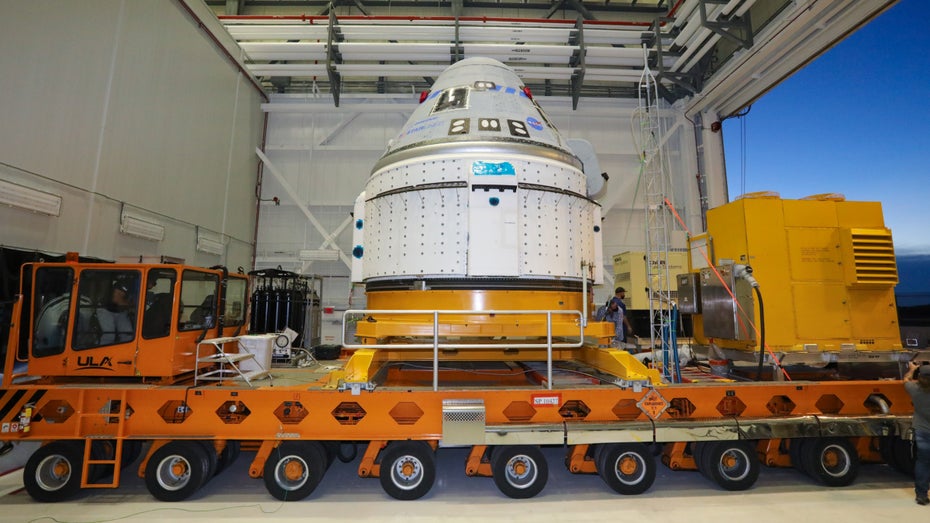
NASA has decided to postpone the upcoming crewed flight test of Boeing's Starliner spacecraft. This decision comes after a critical incident occurred during a previous uncrewed test flight in orbit. The incident has raised significant concerns about the spacecraft's readiness and safety for carrying astronauts. The postponement represents a major setback for a project that has already seen substantial investment. Over two billion dollars have been poured into the Starliner program by NASA and Boeing. This delay could have far-reaching implications for the entire commercial spaceflight industry. It highlights the challenges and complexities involved in developing new human-rated spacecraft. The future of this prestigious space project now appears uncertain. Further consequences for the industry are anticipated due to this development.
The postponement of Boeing's Starliner mission, following a significant investment and a critical orbital incident, underscores the inherent risks and complexities in pioneering new aerospace technologies. This situation prompts an examination of the incentive structures and oversight mechanisms governing public-private partnerships in space exploration. While innovation requires substantial capital and tolerance for setbacks, rigorous safety validation remains paramount, especially when human lives are at stake. The delay may necessitate a re-evaluation of development timelines and budget allocations, potentially impacting NASA's broader Artemis program and its reliance on commercial crew capabilities. Looking ahead, the industry will likely focus on refining risk assessment protocols and ensuring robust redundancy in critical systems to build greater resilience against future anomalies.
AI-generated to prompt reflection — not editorial opinion, not advice, not a statement of fact. How this works.