NASA Program Offers Students Hands-On Atmospheric Science Research from Aircraft
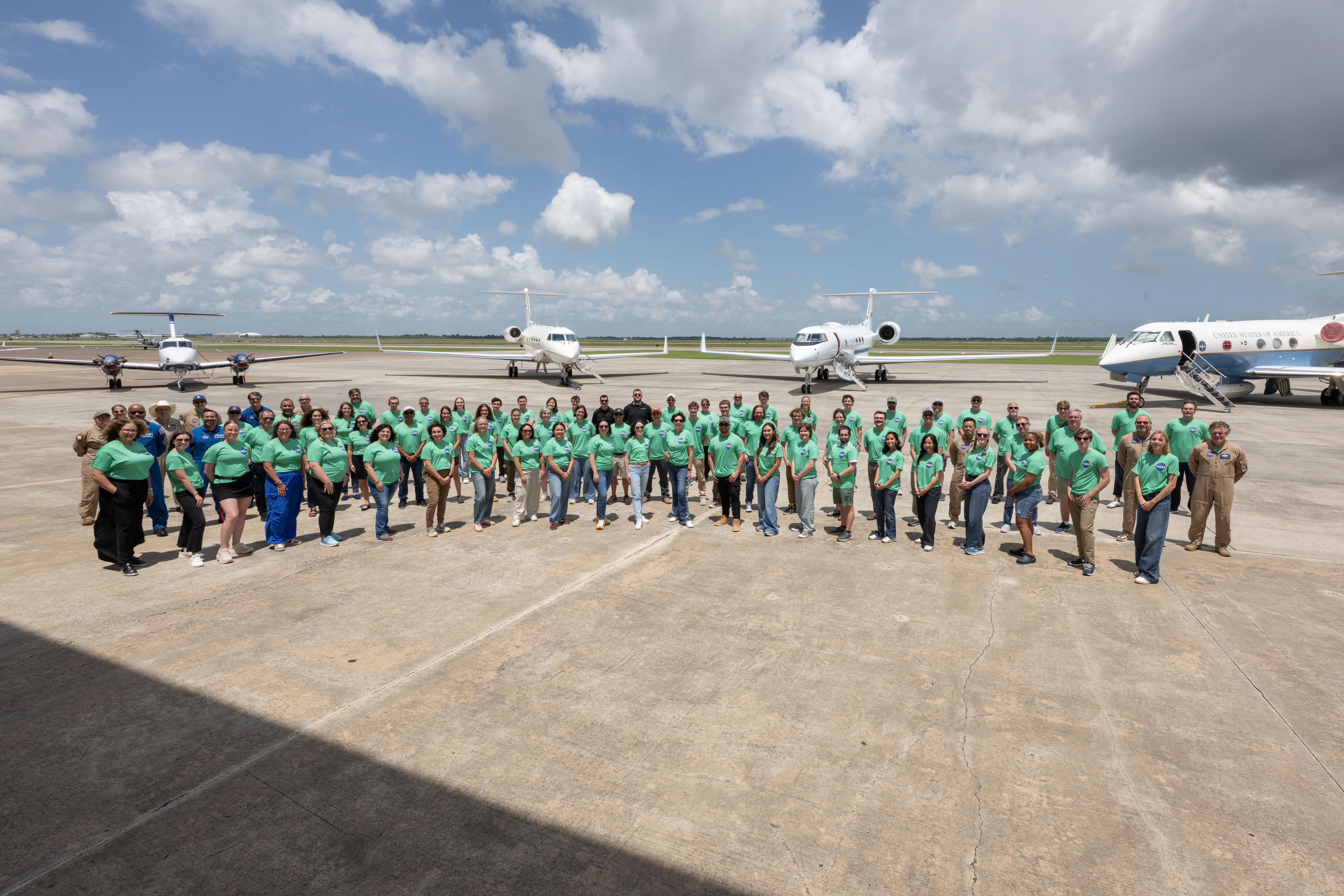
From June 3 to June 13, NASA's Student Airborne Research Program (SARP) provided students with an immersive experience in atmospheric science at Ellington Field in Houston. Participants gained practical knowledge of how scientists conduct airborne field campaigns to gather crucial data. This data is vital for research in atmospheric science, ecology, air quality monitoring, and climate modeling. The program allowed students to observe and understand the methodologies employed in collecting and analyzing scientific information from aerial platforms. This initiative by NASA aims to foster the next generation of scientists by offering direct exposure to real-world research techniques and the importance of Earth observation.
The NASA Student Airborne Research Program exemplifies a strategic investment in human capital, aiming to cultivate future scientific talent by providing direct engagement with sophisticated research methodologies. By exposing students to the practicalities of airborne data collection for atmospheric science, ecology, and climate modeling, the program addresses a critical need for skilled professionals in these fields. This hands-on approach not only enhances individual learning but also contributes to the broader goal of advancing scientific understanding and addressing global environmental challenges. Such initiatives are crucial for ensuring a pipeline of innovation and expertise in an era increasingly defined by complex environmental issues and the need for data-driven solutions.
AI-generated to prompt reflection — not editorial opinion, not advice, not a statement of fact. How this works.