NASA's August 2026 Skywatching Guide: Eclipses, Meteors, and Venus
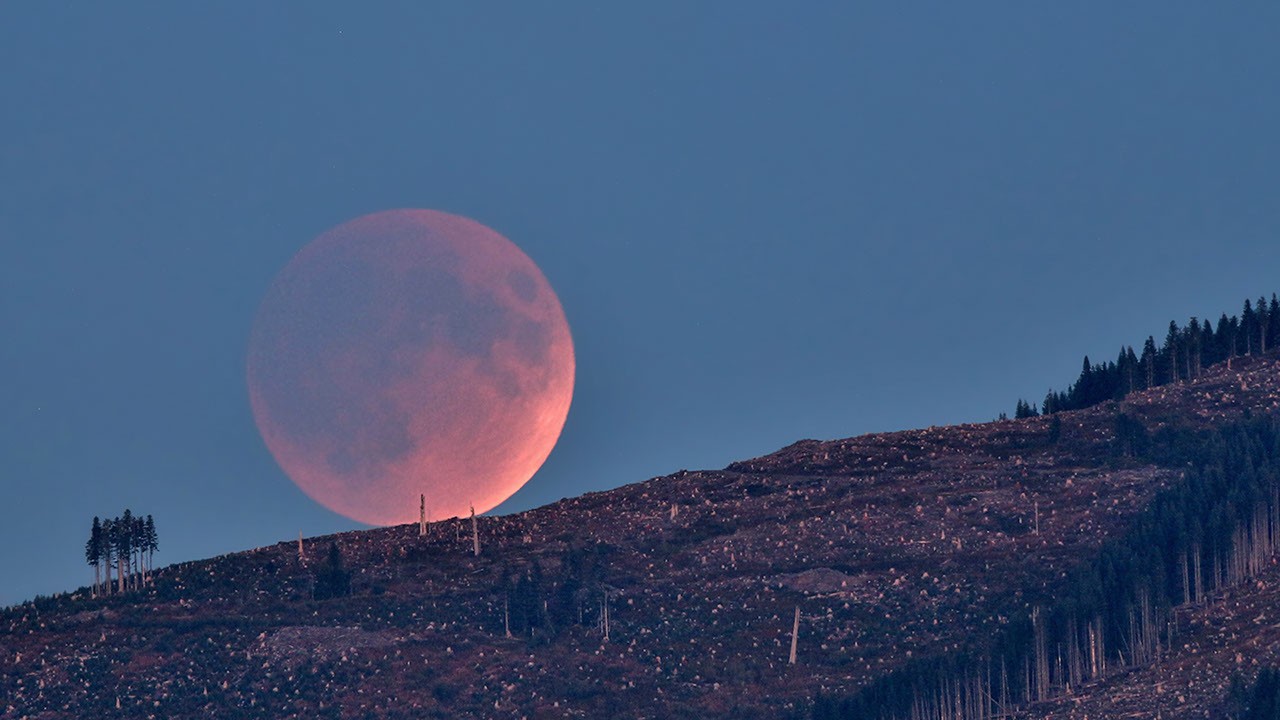
NASA has released its skywatching tips for August 2026, promising a celestial lineup that includes a solar eclipse, the annual Perseid meteor shower, Venus shining brightly in the evening sky, and a deep partial lunar eclipse. These events are set to make August a notable month for stargazers. The guide highlights the solar eclipse as one of the year's premier astronomical events. Additionally, the Perseid meteor shower is expected to be one of the best of the year, offering numerous shooting stars. Venus will reach its peak brightness in the evening sky, making it a prominent object for observation. The month will conclude with a deep partial lunar eclipse, providing another significant opportunity for skywatchers. These astronomical phenomena offer accessible ways for the public to engage with space science.
This announcement from NASA serves to democratize access to astronomical observation, encouraging public engagement with science. By highlighting predictable celestial events like eclipses and meteor showers, NASA leverages natural phenomena to foster scientific curiosity and literacy. The focus on accessible events like bright planetary visibility and meteor showers, rather than solely on complex or rare occurrences, broadens potential audience reach. This strategy aligns with long-term goals of building a scientifically informed populace, which is increasingly important in an era where technological understanding is paramount. Such public outreach initiatives can also indirectly support STEM education and inspire future generations of scientists and engineers by making the wonders of the universe tangible and relatable.
AI-generated to prompt reflection — not editorial opinion, not advice, not a statement of fact. How this works.