NASA's CAPSTONE Mission Successfully Tests Key Lunar Navigation Technologies
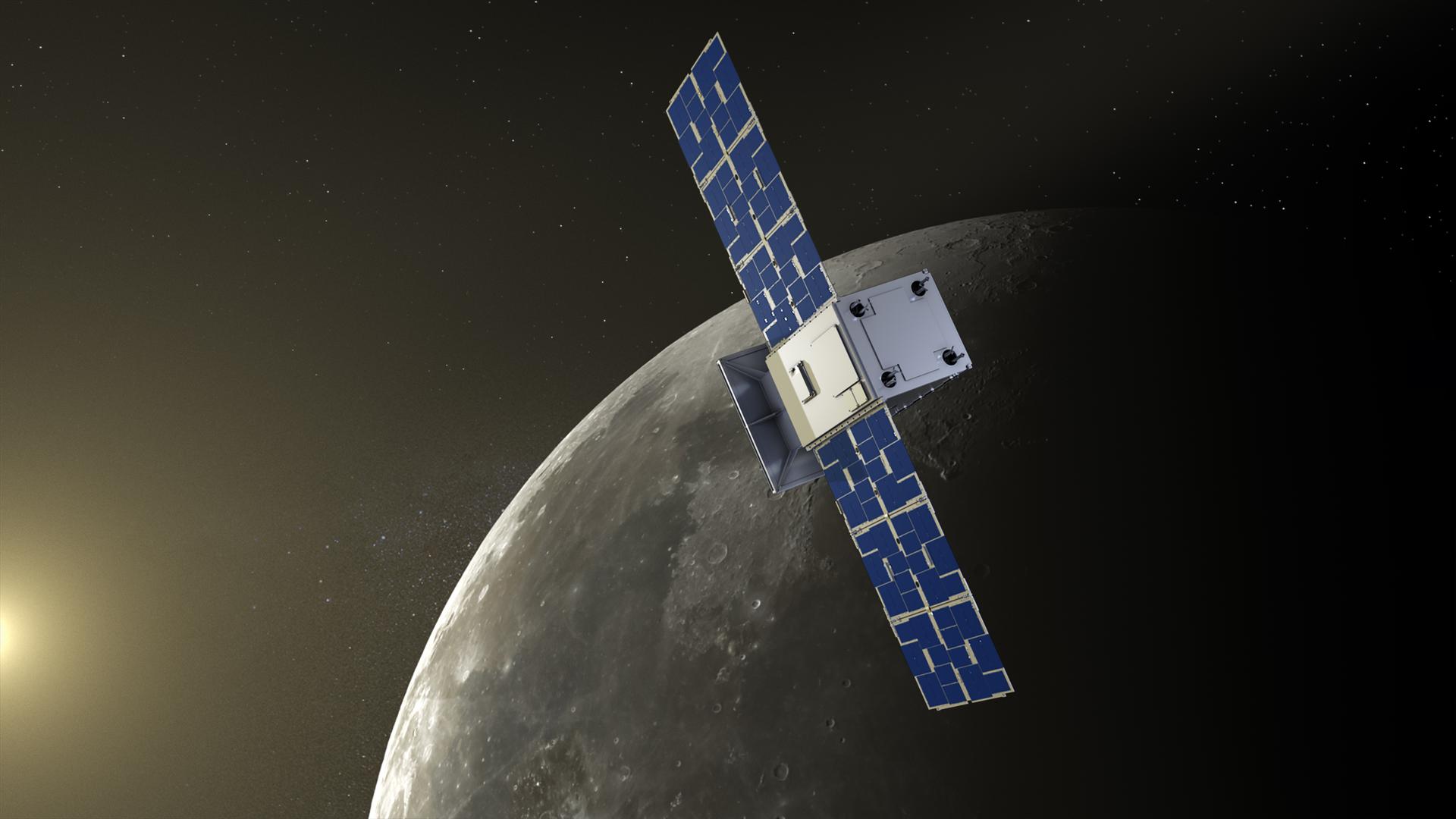
NASA's Cislunar Autonomous Positioning System Technology Operations and Navigation Experiment, or CAPSTONE, has successfully completed testing for its extended mission, validating critical technologies for future lunar operations. The mission was designed to test and validate technologies in lunar orbit, paving the way for a sustained human presence on the Moon. As NASA prepares for this long-term presence, spacecraft will increasingly need to navigate and communicate independently, without a direct link to Earth. CAPSTONE's successful validation of these autonomous capabilities is a significant step forward in developing the necessary infrastructure for lunar exploration. The spacecraft's ability to operate and maneuver effectively in lunar orbit demonstrates the reliability of the tested technologies. This advancement is crucial for missions that will support astronauts and scientific research on the lunar surface. The data gathered from CAPSTONE's extended mission will inform the design and operation of future lunar missions.
CAPSTONE's successful validation of autonomous navigation and communication technologies addresses a fundamental challenge for deep space exploration. As humanity expands its presence beyond Earth orbit, the reliance on independent spacecraft operations becomes paramount. This mission's success highlights the ongoing technological evolution required to support sustained extraterrestrial habitation and research. The data gathered will likely influence the design of future lunar gateway systems and deep space probes, potentially reducing mission costs and increasing operational resilience by minimizing reliance on constant ground control. This development aligns with the broader trend of increasing automation in complex systems, a key characteristic of the emerging AI era.
AI-generated to prompt reflection — not editorial opinion, not advice, not a statement of fact. How this works.