NASA's Critical Rocket Development Faces Unclear Timelines
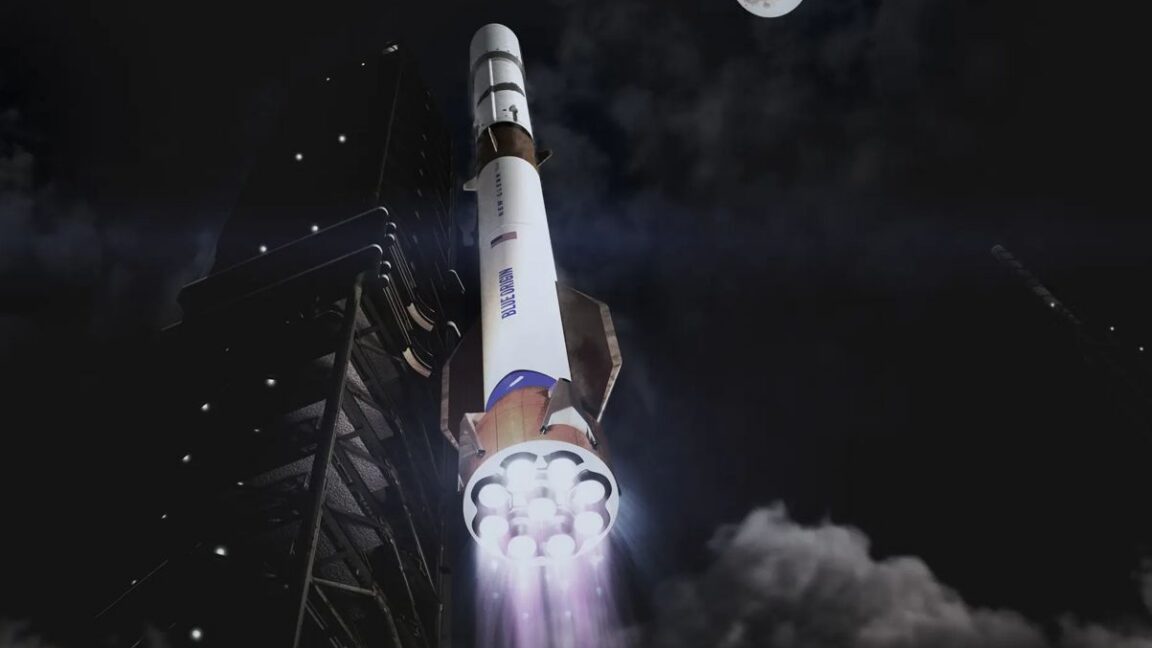
The development timelines for crucial new rockets that NASA urgently requires remain uncertain, with no firm dates publicly announced for their readiness. This lack of concrete schedules raises concerns about the agency's future launch capabilities and its ability to meet ambitious space exploration goals. Historically, setting launch dates for complex rocket projects has proven challenging, with many facing delays. The current situation suggests that NASA may continue to rely on existing, potentially less capable, launch vehicles for the foreseeable future. The specific types of rockets in question and their intended missions are not detailed, but their importance to NASA's strategic objectives is implied. The absence of projected completion dates highlights a significant bottleneck in the agency's program. This situation could impact everything from scientific missions to deep space exploration and the Artemis program's lunar ambitions. The agency's reliance on unproven or delayed rocket technology poses a substantial risk to its long-term planning and operational effectiveness.
The indefinite timelines for NASA's next-generation rockets highlight a systemic challenge in large-scale, complex engineering projects, particularly within government-funded programs. Such delays often stem from a confluence of factors including technological hurdles, budget fluctuations, and evolving mission requirements. The absence of predictable delivery dates creates strategic uncertainty, potentially impacting international partnerships and the commercial space sector's investment decisions. This situation prompts an examination of procurement and development models, questioning whether current frameworks adequately balance innovation with timely delivery. Looking ahead, the integration of AI and advanced manufacturing techniques may offer pathways to accelerate development cycles, but the fundamental issues of managing complex systems and setting realistic expectations will persist.
AI-generated to prompt reflection — not editorial opinion, not advice, not a statement of fact. How this works.