NASA's Moon Base Staffing: Simulation Explores Optimal Astronaut Numbers
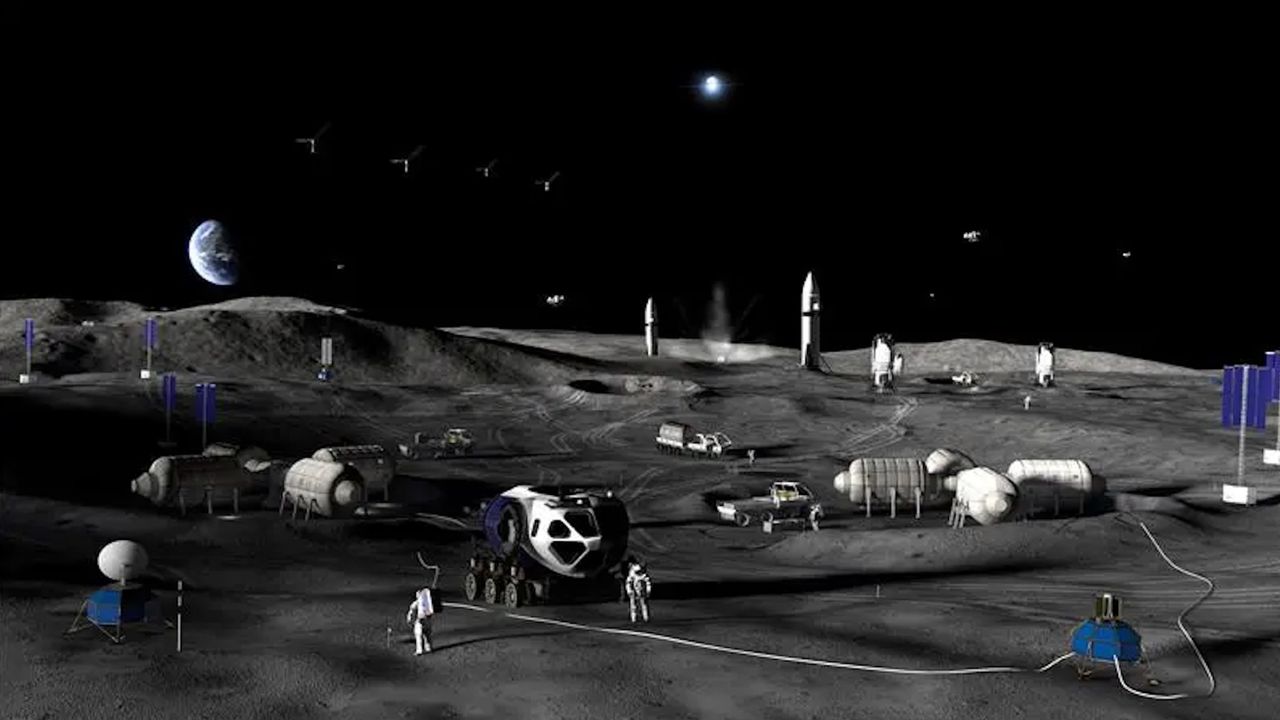
A recent simulation focused on the future of astronaut moon bases has highlighted the critical importance of mission design when determining the ideal number of inhabitants for NASA's lunar outpost. The study suggests that simply considering psychological factors is insufficient for ensuring the success of long-term lunar missions. Instead, a more comprehensive approach that integrates mission objectives with crew size is necessary. The simulation aimed to provide insights into how different staffing levels might impact operational efficiency, scientific output, and overall mission viability. This research is crucial as NASA plans for sustained human presence on the Moon, requiring careful consideration of resource allocation, crew dynamics, and operational requirements. The findings underscore the need for robust planning that balances human factors with the technical and logistical demands of extraterrestrial habitation. Ultimately, optimizing crew size will be a key determinant in the success and sustainability of future lunar bases.
This simulation's emphasis on mission design over solely psychological factors for lunar base staffing suggests a maturing understanding of extraterrestrial habitation challenges. As humanity ventures further into space, the success of long-duration missions will hinge on optimizing crew size not just for well-being, but for operational efficiency and scientific return. This approach aligns with the increasing need for sustainable, resource-conscious space exploration in the coming decades. Future planning must therefore integrate complex variables, including task allocation, technological dependencies, and emergency response capabilities, into crew complement decisions. The trade-offs between larger crews offering redundancy and smaller crews minimizing resource consumption will be a central governance challenge for space agencies.
AI-generated to prompt reflection — not editorial opinion, not advice, not a statement of fact. How this works.