NASA's New Horizons Probe Awakens After Nearly a Year in Hibernation
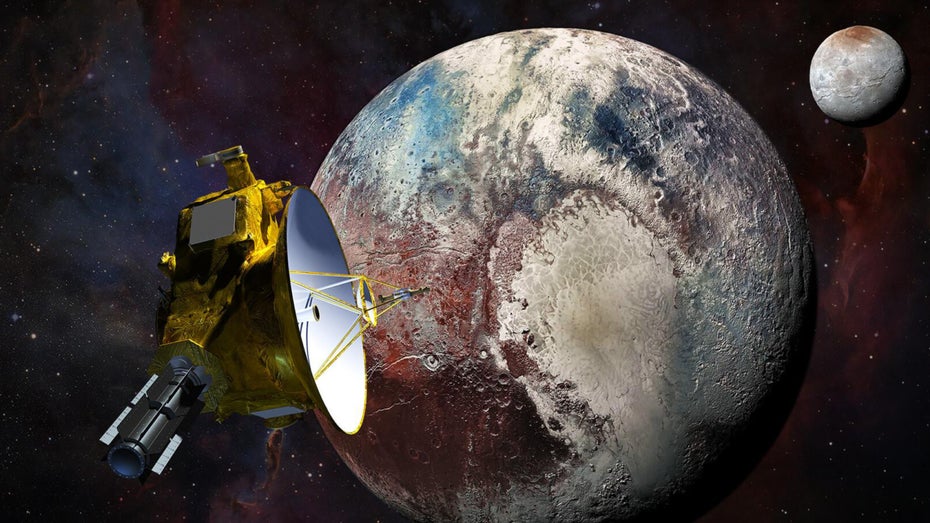
NASA's New Horizons spacecraft has successfully emerged from its hibernation period, which lasted nearly a year. The probe, famous for its exploration of Pluto, is now back in operation and ready for its next phase of missions. The extended hibernation allowed the spacecraft to conserve power and prepare for future observations. New Horizons has traveled approximately 10 billion kilometers from Earth. After its historic flyby of Pluto in 2015, the spacecraft continued its journey into the Kuiper Belt. It conducted a flyby of the Kuiper Belt Object Arrokoth in 2019, marking the most distant object ever explored by a spacecraft. The mission team is now preparing for further scientific observations. The probe's return to active status signifies its continued capability to gather valuable data from the outer solar system. This reactivation is crucial for extending the mission's scientific return and understanding the early solar system.
The successful reactivation of the New Horizons probe after an extended hibernation highlights the robust engineering and operational planning inherent in long-duration space missions. This period of dormancy, while necessary for resource conservation, also presents a critical juncture for assessing system health and readiness for subsequent scientific objectives. The probe's continued operation at vast distances from Earth underscores the technological advancements enabling deep-space exploration. Future mission planning will likely focus on optimizing data acquisition strategies within the constraints of communication latency and power availability, ensuring sustained scientific return from the outer solar system's unique environment.
AI-generated to prompt reflection — not editorial opinion, not advice, not a statement of fact. How this works.