NASA's New Hybrid Aircraft Sets New Altitude Record
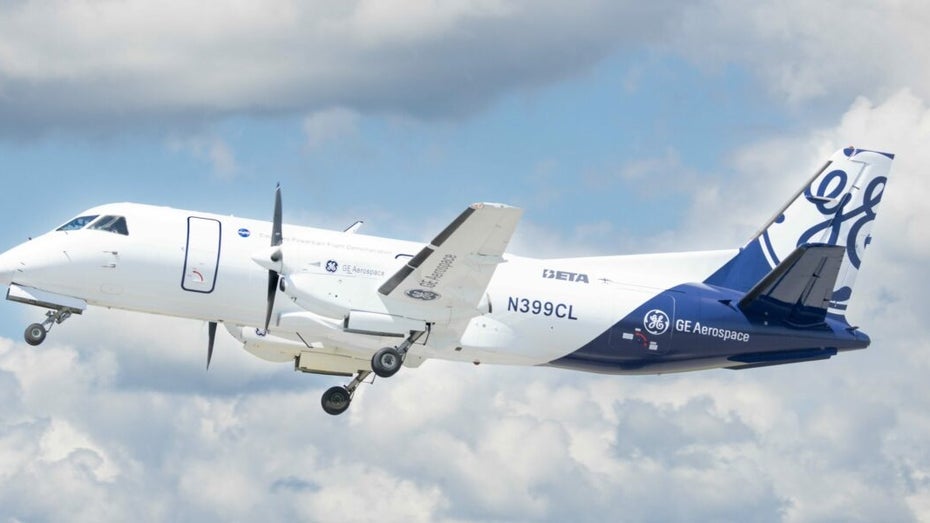
The US space agency NASA has unveiled a new hybrid aircraft designed to reduce carbon dioxide emissions from air travel. This innovative aircraft has successfully broken an altitude record during its testing phase. The development aims to address the significant environmental impact of current aviation methods.
This new technology represents a step forward in the quest for more sustainable air transportation. By exploring alternative propulsion systems, NASA is working towards a future where air travel is less detrimental to the environment. The specific details of the altitude record and the aircraft's capabilities are expected to be released following further analysis and testing.
The development of hybrid aircraft by agencies like NASA signifies a critical pivot in aviation technology, driven by the urgent need to decarbonize air travel. This pursuit of lower emissions reflects a broader global trend toward sustainability, influenced by both regulatory pressures and evolving public expectations. The success in setting altitude records suggests promising advancements in engine efficiency and aerodynamic design. Future iterations will likely focus on scalability, cost-effectiveness, and integration into existing air traffic systems, presenting complex challenges in infrastructure and policy adaptation. The long-term viability hinges on balancing technological innovation with economic realities and environmental imperatives.
AI-generated to prompt reflection — not editorial opinion, not advice, not a statement of fact. How this works.