NASA's Psyche spacecraft captures Mars flyby in new timelapse video
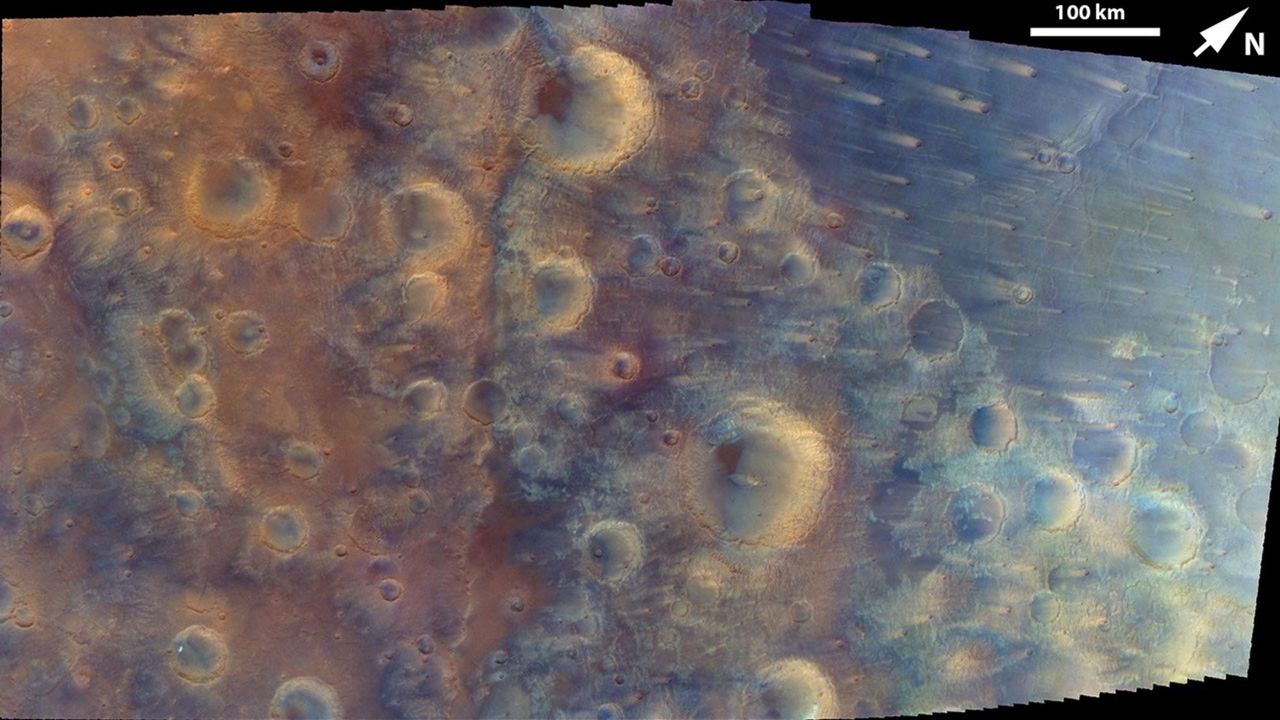
NASA's Psyche spacecraft has captured a new timelapse video during its journey to an asteroid, showcasing its flyby of Mars. While the mission was not designed to make groundbreaking discoveries about the Red Planet, given its extensive prior study, the data collected offered a unique perspective that complemented existing Mars science. The spacecraft is currently en route to the metal-rich asteroid 16 Psyche, located in the main asteroid belt between Mars and Jupiter. This flyby served as a crucial gravity assist, allowing Psyche to gain speed and adjust its trajectory for the remainder of its interplanetary voyage. The mission aims to study the asteroid 16 Psyche, believed to be the exposed nickel-iron core of an early planetesimal, offering insights into planetary formation and the composition of terrestrial planet cores. The successful Mars flyby marks a significant milestone in the Psyche mission's long journey, which began with its launch on October 13, 2023. Scientists anticipate that studying the asteroid will provide valuable data on the early solar system and the processes that formed rocky planets like Earth.
The Psyche mission's Mars flyby, while not a primary scientific objective for Mars research, demonstrates the strategic use of planetary gravity assists for deep space exploration. This maneuver highlights the intricate orbital mechanics and planning required for long-duration space missions, optimizing fuel efficiency and travel time. The complementary data gathered from this flyby, though secondary, underscores the value of multi-purpose mission design. As NASA continues to explore the solar system, such flybys will remain critical for reaching distant targets like the asteroid belt, balancing the pursuit of unique scientific objectives with the logistical realities of interplanetary travel.
AI-generated to prompt reflection — not editorial opinion, not advice, not a statement of fact. How this works.