NASA's satellite rescue mission faces its own technical challenges
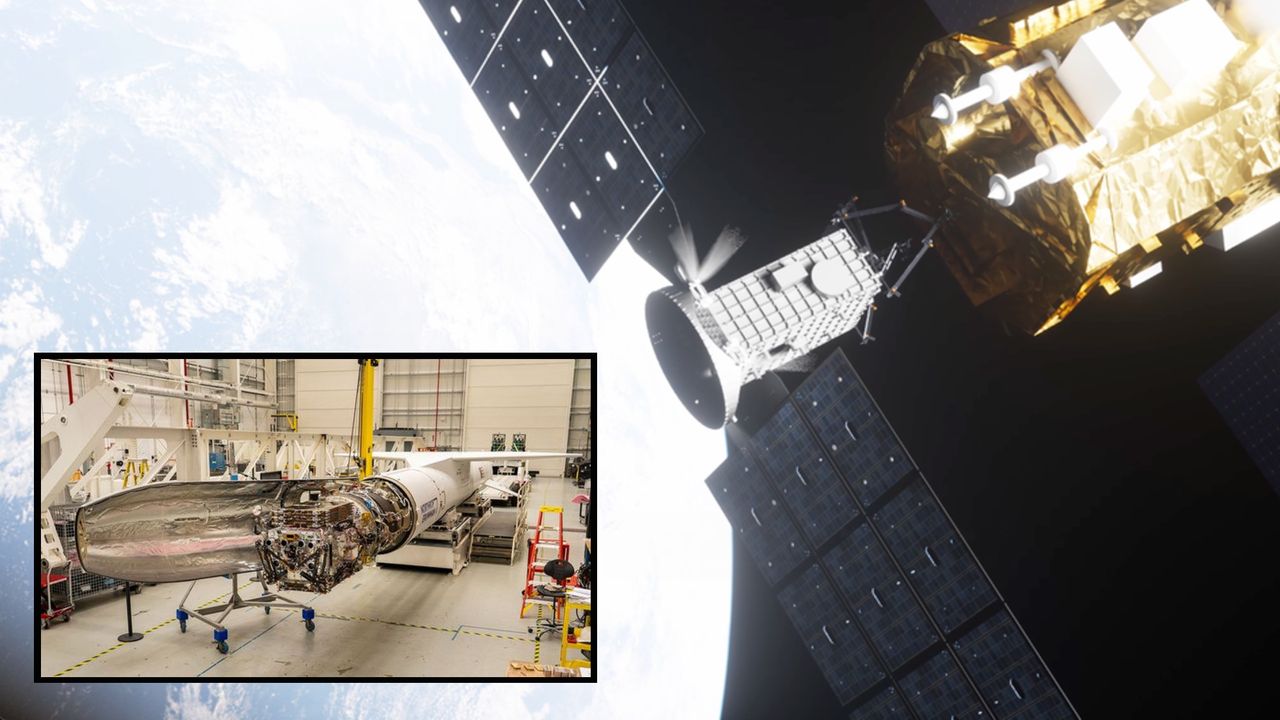
NASA's Swift Boost mission, initiated earlier this month, aimed to rescue one of its aging science observatories. However, the mission has encountered unexpected difficulties, with the rescue spacecraft itself now experiencing control issues. The Swift Boost mission was specifically designed to provide a boost to the observatory, extending its operational lifespan. This unexpected problem with the rescue vehicle raises concerns about the future of the mission and the aging observatory it was intended to save. Further details on the nature of the control issues have not yet been fully disclosed by NASA. The agency is reportedly working to diagnose and resolve the problems with the Swift Boost spacecraft. This situation highlights the inherent risks and complexities involved in space missions, even those designed for maintenance and repair. The outcome of the efforts to fix the Swift Boost spacecraft will determine the fate of the aging observatory.
The Swift Boost mission exemplifies the complex interplay of technological ambition and operational reality in space exploration. The mission's dual objective—saving an aging asset while deploying a new one—inherently carries increased risk. The current control issues with the rescue spacecraft itself suggest potential challenges in the redundancy and reliability of critical systems, even for specialized repair missions. This situation prompts consideration of the long-term economic and strategic trade-offs between maintaining aging infrastructure versus investing in entirely new, potentially more robust, platforms. As NASA continues to push the boundaries of space science, such incidents underscore the need for rigorous testing and contingency planning, particularly as the agency aims to extend the life of valuable scientific assets in orbit.
AI-generated to prompt reflection — not editorial opinion, not advice, not a statement of fact. How this works.