NASA's SunRISE Mission Switches to SpaceX Falcon Heavy for Launch
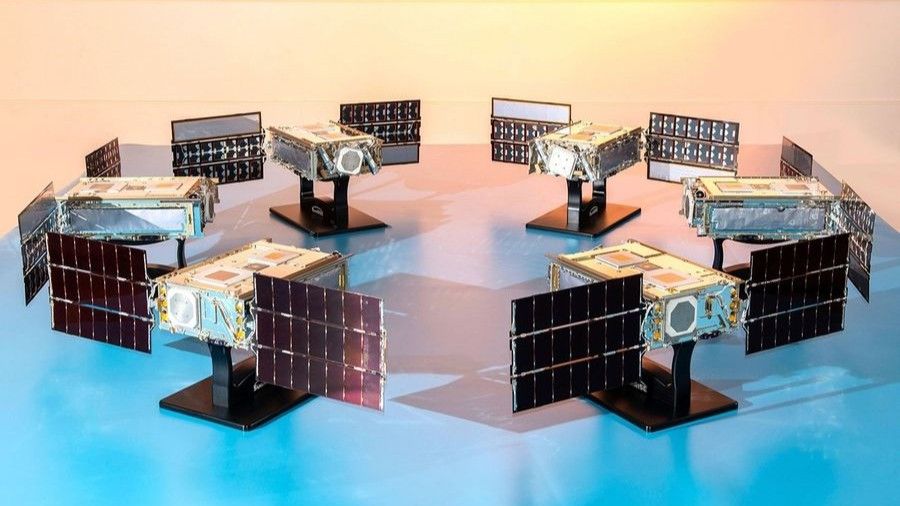
NASA's SunRISE mission, designed to study the sun's influence on space weather, will now launch aboard a SpaceX Falcon Heavy rocket. This marks a change from the originally planned United Launch Alliance (ULA) Vulcan Centaur rocket. The SunRISE mission aims to deploy two spacecraft that will observe the sun's corona and its propagation through interplanetary space. These observations are crucial for understanding phenomena like solar flares and coronal mass ejections, which can impact Earth's technological systems. The decision to switch launch vehicles indicates a shift in NASA's launch strategy for this particular mission. The Falcon Heavy is a powerful rocket with a proven track record, offering significant payload capacity. The specific reasons for the change were not detailed in the announcement, but such decisions often involve factors like launch availability, cost, and mission requirements. This reassignment highlights the dynamic nature of space mission planning and the evolving landscape of launch service providers.
The reassignment of NASA's SunRISE mission from a ULA Vulcan Centaur to a SpaceX Falcon Heavy illustrates the complex interplay of technological readiness, market competition, and programmatic flexibility within the space launch sector. This shift underscores the increasing reliance on established, high-capacity launch vehicles as mission timelines and requirements evolve. It also reflects the competitive pressures and evolving capabilities of private spaceflight companies, which can influence NASA's procurement decisions. Such adjustments are critical for ensuring mission success while navigating the dynamic aerospace industry, particularly as NASA aims to balance cost-effectiveness with the imperative of timely scientific discovery in the coming decade.
AI-generated to prompt reflection — not editorial opinion, not advice, not a statement of fact. How this works.