NASA's Swift Boost Mission Spacecraft Suffers Critical Malfunction
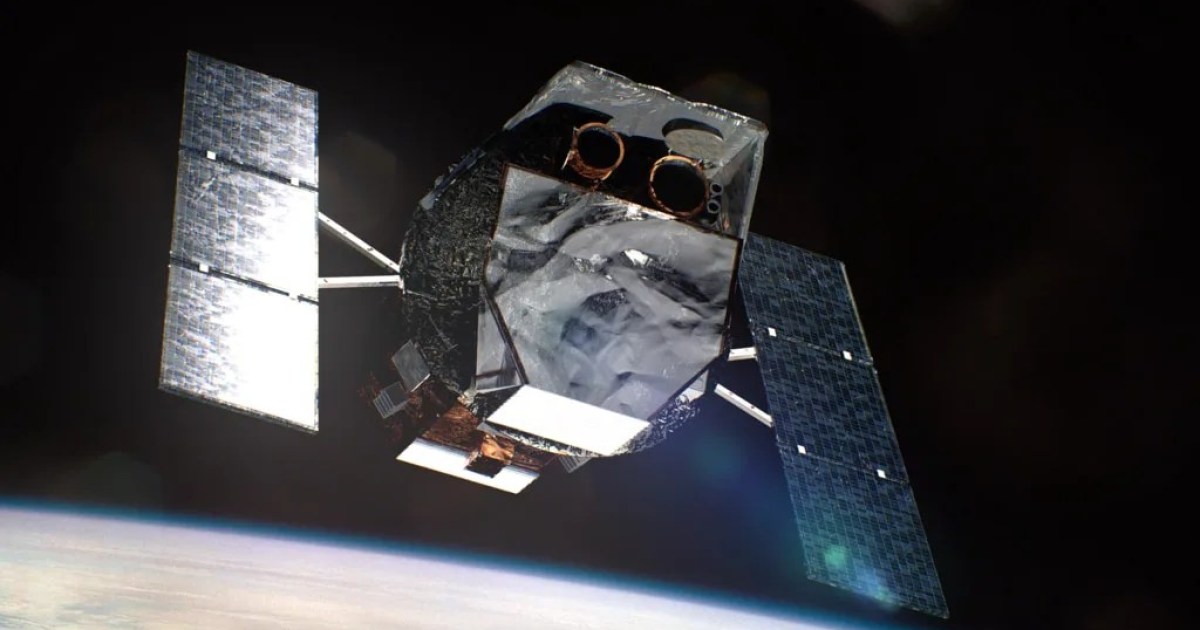
The Katalyst Space LINK spacecraft, designed to assist a NASA space telescope, has encountered significant problems. Over the weekend, the spacecraft lost two of its three reaction wheels. This malfunction has caused the LINK spacecraft to spin uncontrollably and has interrupted its communication link with ground control. The LINK spacecraft was launched on a Northrop Grumman Pegasus XL rocket. The mission's objective was to provide crucial support to a struggling NASA space telescope. The loss of the reaction wheels severely compromises the spacecraft's ability to maintain stable orientation and control. This incident raises concerns about the future operational capabilities of the Swift Boost Mission and its ability to fulfill its intended purpose.
The malfunction of the LINK spacecraft highlights the inherent risks and complexities in space mission design and execution. The loss of critical components like reaction wheels, essential for attitude control, underscores the need for robust redundancy and fail-safe mechanisms in spacecraft engineering. Future missions may benefit from enhanced testing protocols and more resilient system architectures to mitigate such critical failures. This event prompts consideration of the long-term viability and cost-effectiveness of complex support missions, especially when relying on single, specialized spacecraft that themselves become vulnerable to technical issues.
AI-generated to prompt reflection — not editorial opinion, not advice, not a statement of fact. How this works.