NASA's Swift Space Telescope Rescue Mission Faces Serious Challenges
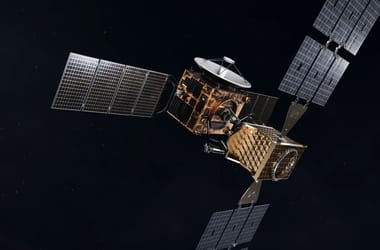
NASA's mission to rescue the Swift space telescope, which began with high hopes in early July, is now encountering significant difficulties. The primary issue is that the rescue equipment itself requires saving before the telescope can be addressed. This unexpected complication has put the entire salvage operation in jeopardy. The Swift telescope, a vital instrument for observing cosmic events, is facing potential failure if this rescue attempt is unsuccessful. The mission's success hinges on overcoming these unforeseen technical hurdles. Further details regarding the specific nature of the problems with the rescue equipment have not yet been fully disclosed. The situation highlights the inherent risks and complexities involved in space missions, even those designed for repair or rescue. The outcome of this mission will be closely watched by the scientific community.
The challenges faced by NASA's Swift telescope rescue mission underscore the inherent complexities and risks associated with space-based operations. The need to rescue the rescue equipment itself points to potential issues in mission planning, risk assessment, or the reliability of specialized salvage technology. This situation prompts consideration of redundancy in critical systems and the rigorous testing protocols for all mission components. Looking ahead, such incidents may influence future investment in on-orbit servicing capabilities and the development of more robust, adaptable robotic systems capable of handling unforeseen contingencies. The incident serves as a reminder that even advanced technological endeavors are subject to the unpredictable nature of the space environment and the limitations of human foresight.
AI-generated to prompt reflection — not editorial opinion, not advice, not a statement of fact. How this works.