NASA's Viking 1 Legacy: 50 Years Later, Focus Shifts to Mars' Atmosphere
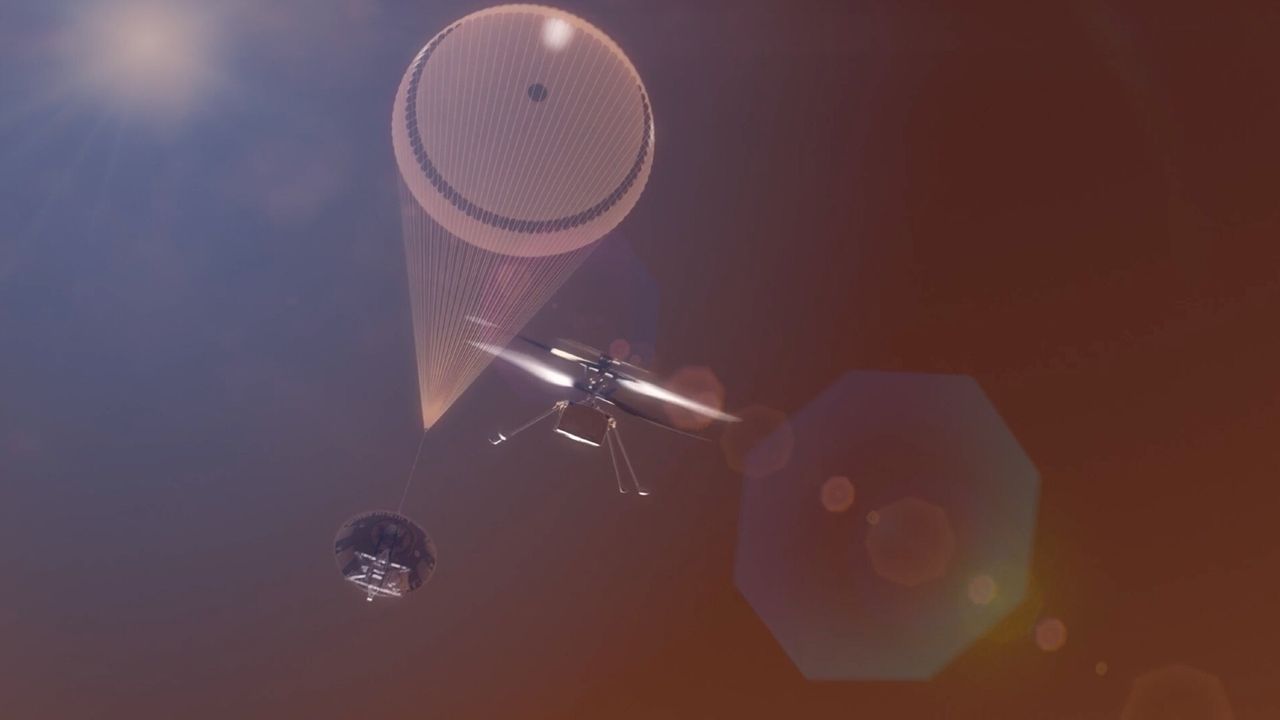
NASA's Viking 1 mission achieved a historic Mars landing on July 20, 1976, marking a significant milestone in space exploration. Fifty years after this pioneering achievement, NASA's focus regarding the Red Planet has evolved. The agency is now directing its attention towards studying the Martian skies. This shift signifies a new phase of exploration, moving from surface landings to atmospheric investigations of Mars. The initial success of Viking 1 paved the way for future missions, and the current emphasis on atmospheric research builds upon that foundational knowledge. This evolution in scientific priorities reflects the ongoing quest to understand Mars more comprehensively. The exploration continues to adapt, seeking answers to new questions about the planet's environment.
The enduring legacy of the Viking 1 mission, nearly 50 years post-landing, highlights a natural progression in planetary science. Initial exploration often prioritizes surface contact to establish foundational data. As knowledge grows, subsequent research phases logically expand to investigate more complex environmental systems, such as atmospheric dynamics. This pivot from surface to sky reflects a maturing understanding of planetary evolution and the interconnectedness of atmospheric and geological processes. Future Mars exploration will likely continue this trend, integrating surface, subsurface, and atmospheric data to create a holistic picture, potentially informing strategies for future human missions and the search for extant or extinct life.
AI-generated to prompt reflection — not editorial opinion, not advice, not a statement of fact. How this works.