NASA Satellite Unexpectedly Detects Wildfire Smoke From Orbit
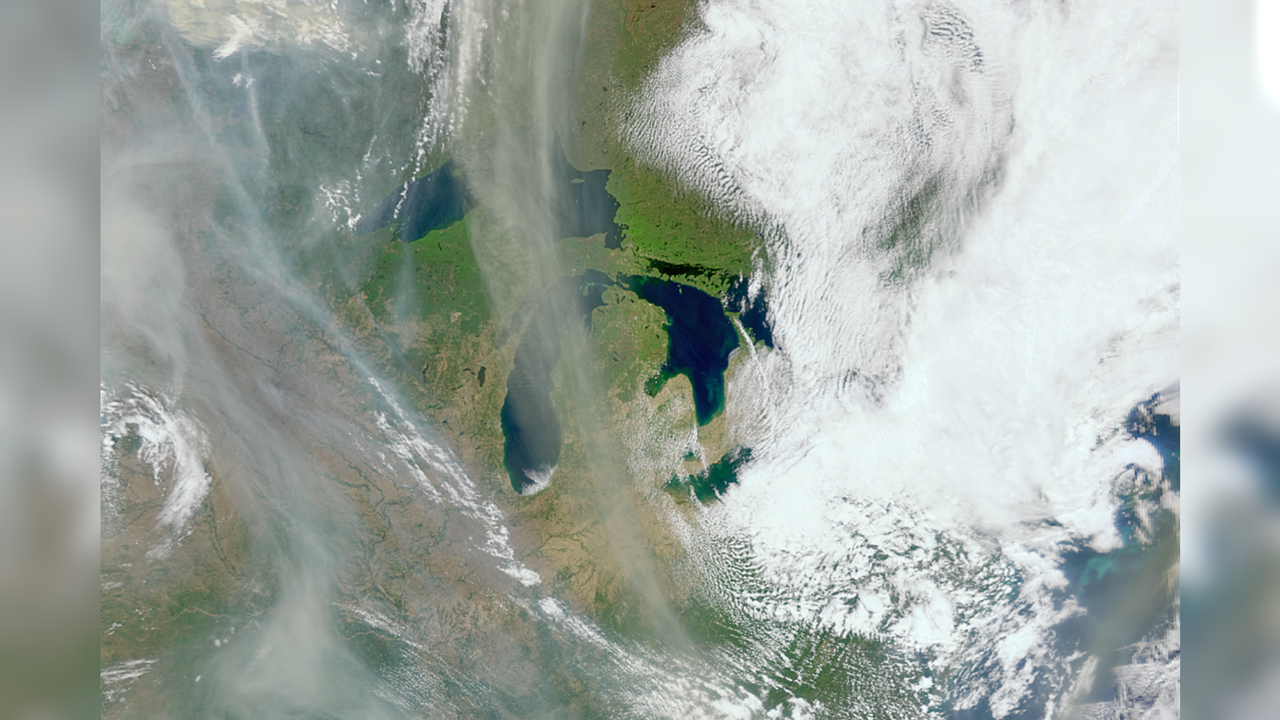
A NASA satellite, originally designed for ocean monitoring, has proven to have an additional, significant capability: detecting wildfire smoke from space. This discovery highlights the adaptability and unforeseen applications of scientific instruments. The satellite's ability to observe smoke plumes from a vantage point in orbit provides a unique perspective on the scale and spread of wildfires. This data can be crucial for understanding atmospheric conditions and the environmental impact of these events. The unexpected utility of the ocean-monitoring satellite underscores the value of continued investment in space-based observation technologies. Such instruments can often yield benefits beyond their primary mission objectives. The information gathered can aid in wildfire management and research into atmospheric science. This finding demonstrates how scientific exploration can lead to new insights and practical applications.
The unexpected utility of NASA's ocean-monitoring satellite in detecting wildfire smoke demonstrates how multi-purpose scientific instrumentation can yield unforeseen benefits. This capability offers a valuable, large-scale perspective on environmental events, potentially improving atmospheric modeling and disaster response strategies. The discovery prompts consideration of how to leverage existing and future satellite assets for broader environmental monitoring, balancing primary mission goals with emergent observational needs. It highlights the inherent value in diverse data streams and the potential for synergistic applications across scientific disciplines.
AI-generated to prompt reflection — not editorial opinion, not advice, not a statement of fact. How this works.