NASA Science and Indigenous Knowledge Unite to Study Coastal Erosion
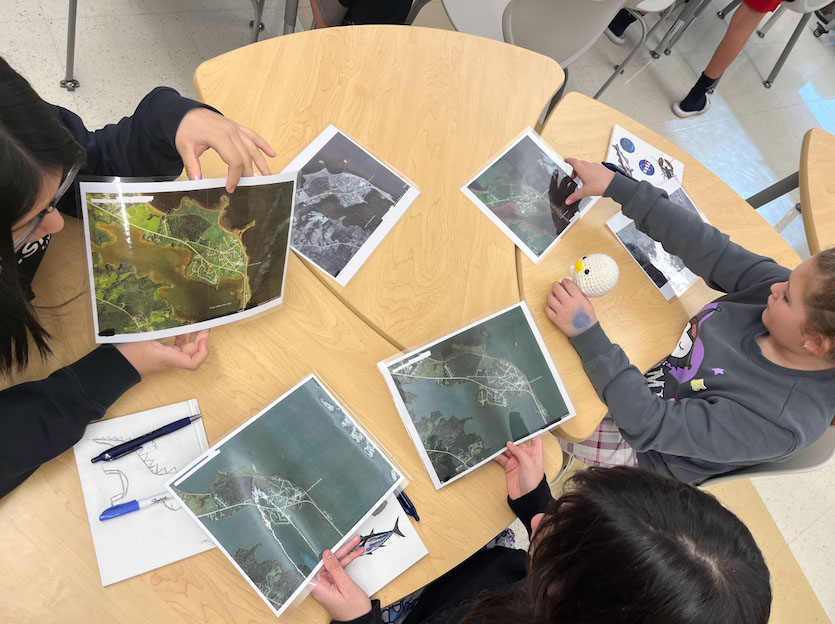
Students at the Pleasant Point Passamaquoddy Reservation, also known as Sipayik, are integrating NASA's scientific research with traditional Indigenous knowledge to investigate coastal erosion. Located in Downeast Maine along Passamaquoddy Bay, the reservation has been home to generations of Indigenous people who have learned from the coastal environment. This initiative highlights a unique interdisciplinary approach, bridging modern scientific methods with the deep ecological understanding developed over centuries by the Passamaquoddy people. The project aims to provide a more comprehensive understanding of the forces shaping their coastline. By combining satellite data and scientific modeling with the observational wisdom passed down through generations, the students are gaining valuable insights into the dynamics of coastal change. This collaboration fosters a deeper connection to their ancestral lands and empowers them to address environmental challenges facing their community. The program emphasizes the importance of diverse knowledge systems in tackling complex environmental issues.
This initiative represents a significant convergence of scientific and Indigenous epistemologies, offering a robust framework for understanding complex environmental phenomena like coastal erosion. By integrating NASA's data-driven methodologies with the Passamaquoddy's long-term ecological observations, the project leverages complementary strengths. This approach not only enhances the accuracy and depth of scientific understanding but also validates and perpetuates invaluable traditional ecological knowledge. Such collaborations are crucial for developing holistic and culturally relevant solutions to climate change impacts. The long-term implications suggest a model for future environmental stewardship, where diverse knowledge systems are recognized as essential for resilience and adaptation in the face of evolving environmental pressures.
AI-generated to prompt reflection — not editorial opinion, not advice, not a statement of fact. How this works.