NASA Seeks Deeper Understanding of Sun During Upcoming August Solar Eclipse
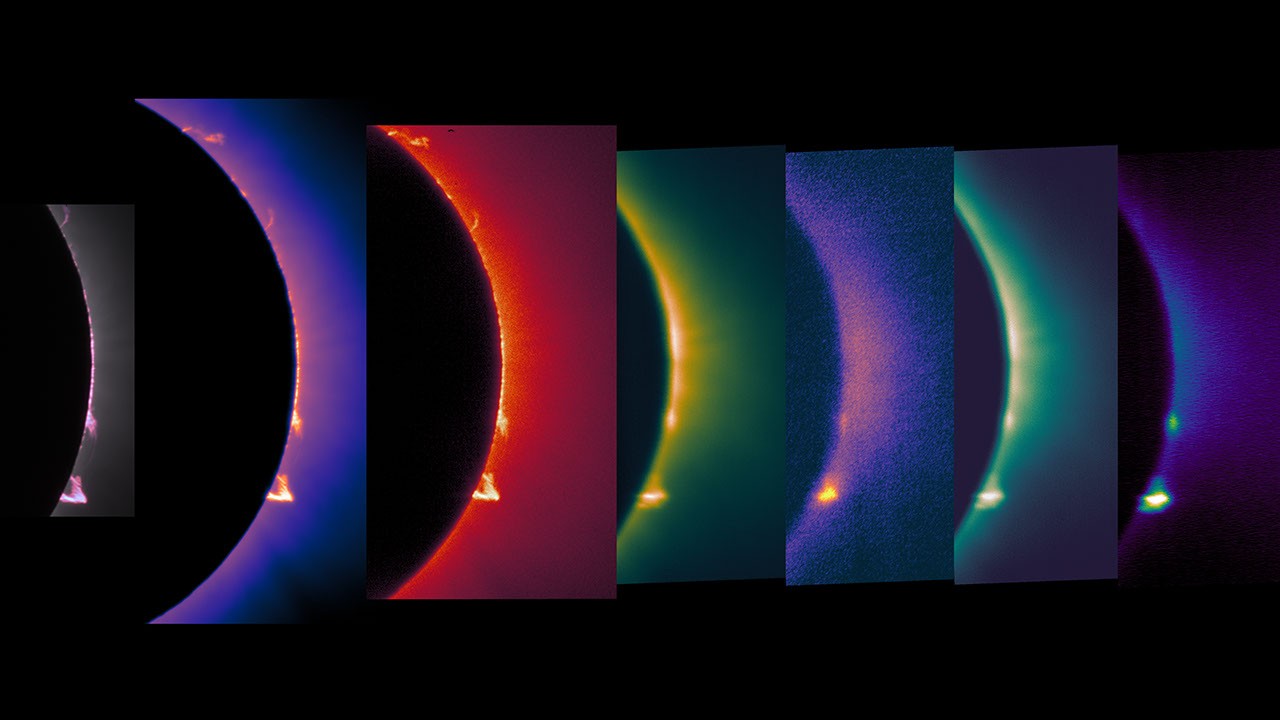
NASA scientists are preparing to leverage the next total solar eclipse on Wednesday, August 12, to gain further insights into the Sun and its effects on Earth. During a total solar eclipse, the Moon obscures the Sun, momentarily revealing its outer atmosphere, known as the corona. This celestial event provides a unique scientific opportunity to study our star more closely. The upcoming eclipse will be visible across Greenland and Iceland, offering a prime location for NASA's observations. Researchers aim to enhance their understanding of solar phenomena and their broader influence on our planet's environment. These eclipses are crucial for advancing solar physics and space weather forecasting. The agency consistently utilizes these rare events to conduct vital scientific research.
The upcoming total solar eclipse on August 12 presents a recurring opportunity for scientific inquiry into solar physics. By observing the Sun's corona during this period, NASA aims to gather data that can inform models of solar activity and its terrestrial impacts. This scientific pursuit highlights the value of astronomical events for advancing our understanding of space weather, which has growing implications for technological infrastructure. The agency's consistent engagement with such phenomena underscores a strategic approach to leveraging natural occurrences for data collection and scientific progress.
AI-generated to prompt reflection — not editorial opinion, not advice, not a statement of fact. How this works.