NASA Seeks Volunteers for Year-Long Mars Simulation on Earth
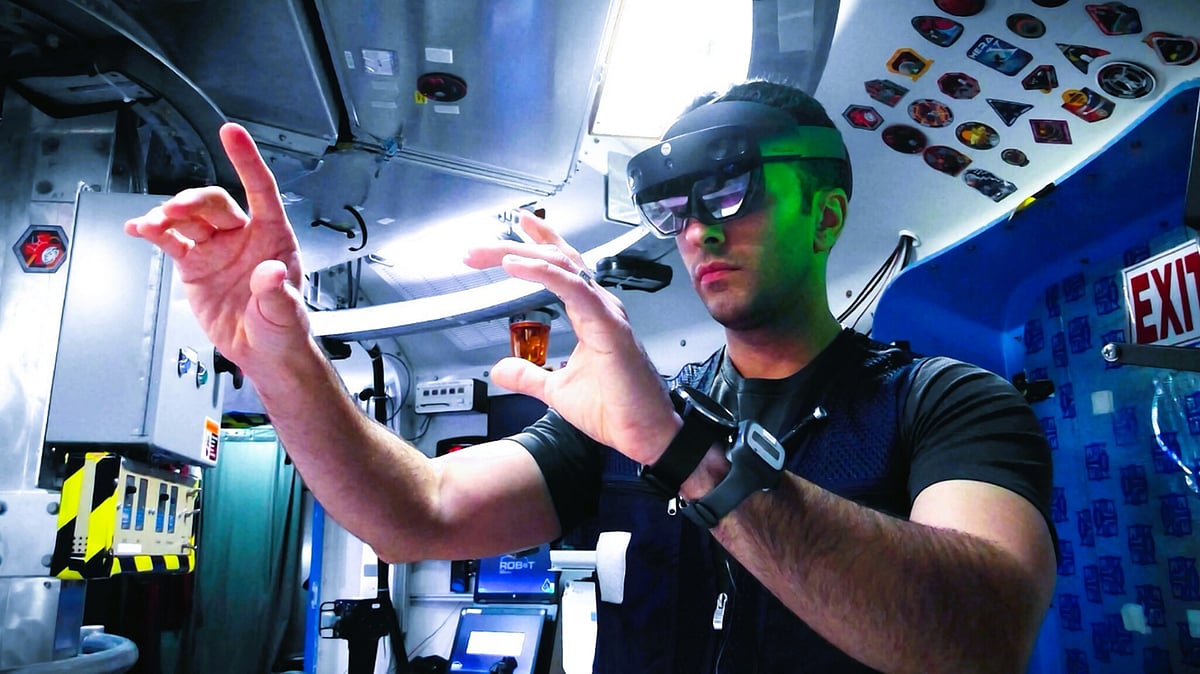
NASA is recruiting volunteers for a year-long simulation mission designed to replicate the conditions of a Mars expedition on Earth. The project, named the Moon and Mars Exploration Analog (MMEA), aims to test human endurance and psychological responses to isolation and confinement, rather than testing new technology. Participants will live in a specially designed habitat, mirroring the Martian environment, where their behavior, mental health, and ability to manage equipment will be closely monitored. The simulation includes routine habitat maintenance, scientific experiments, and even artificial emergencies like oxygen depletion or communication blackouts, preparing individuals for the extreme challenges of deep space travel.
This initiative builds upon NASA's previous simulation missions, including the Hera (Human Exploration Research Analog) and Chapea (Crew Health and Performance Exploration Analog). The MMEA mission is scheduled to begin no earlier than August 2027, with NASA using the intervening time for rigorous volunteer selection and preparation. While participants won't travel to space, they will experience realistic space-walking simulations using virtual reality and undergo a mandatory social media detox for the entire year, simulating the profound isolation of a Mars mission.
To be eligible, applicants must be U.S. citizens or permanent residents between 30 and 55 years old, in excellent physical health with no smoking habits, and possess a Master's degree in a STEM field or equivalent qualifications. They also need at least two years of professional STEM experience or 1,000 hours of jet aircraft piloting experience, along with strong English communication skills. NASA typically announces such opportunities on its official website, with applications processed through online portals followed by multiple interview and testing stages.
This NASA simulation underscores the critical human element in long-duration space exploration, acknowledging that technological advancement alone is insufficient for Mars missions. By focusing on psychological resilience and crew dynamics within a controlled analog environment, NASA is proactively addressing the inherent systemic risks associated with extreme isolation and confinement. The stringent selection criteria, including citizenship and advanced STEM qualifications, highlight the agency's strategic approach to identifying individuals capable of contributing to future deep-space endeavors. This methodical preparation, grounded in lessons from prior analog missions, demonstrates a commitment to mitigating human factors that could jeopardize crew safety and mission success in the challenging Martian environment, thereby optimizing the probability of sustained human presence beyond Earth.
AI-generated to prompt reflection — not editorial opinion, not advice, not a statement of fact. How this works.