NASA Students Launch Ozonesonde Balloons for Atmospheric Research
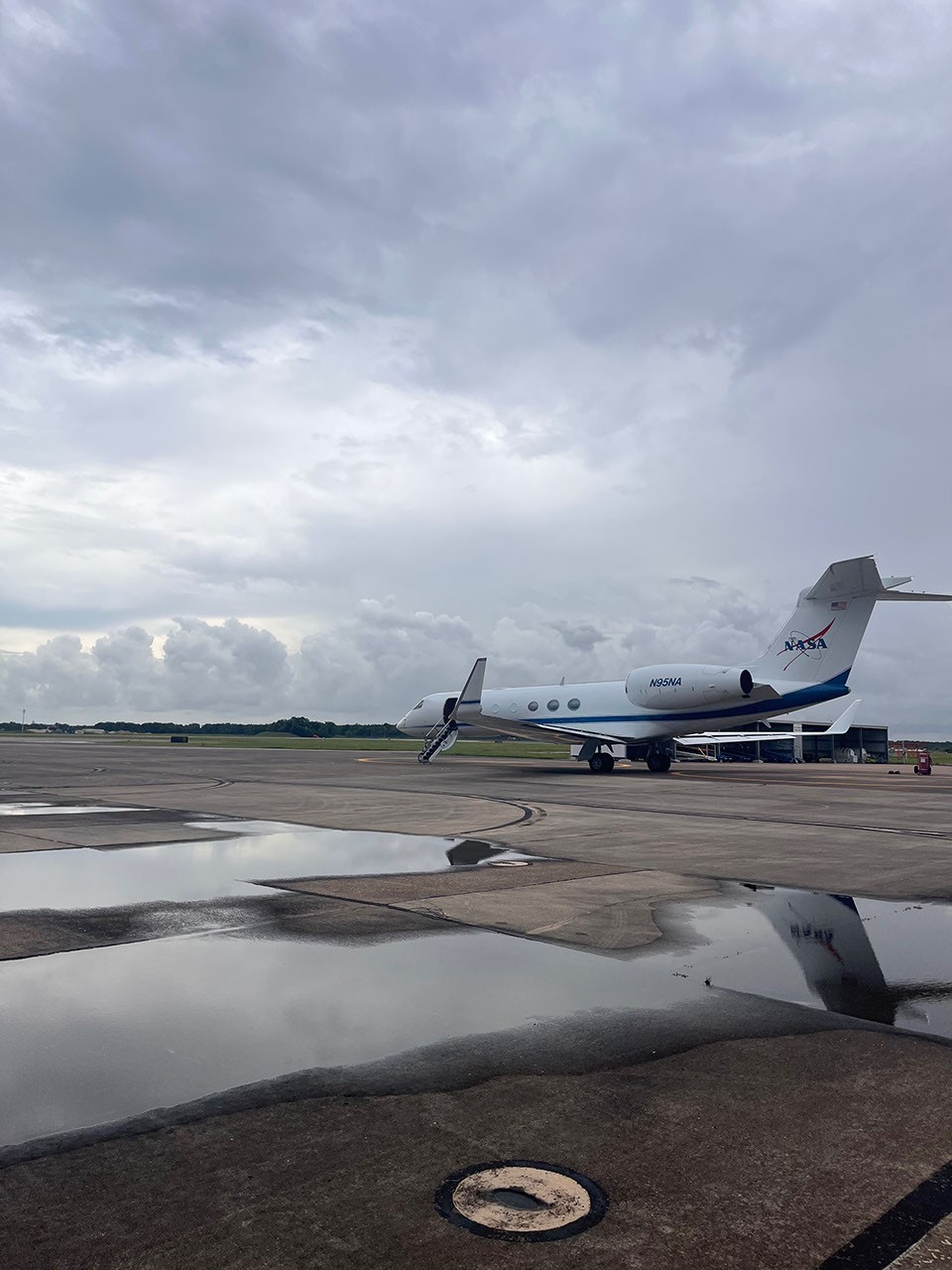
Students participating in NASA's Student Airborne Research Program (SARP) conducted field research using an ozonesonde, a scientific instrument designed to measure ozone levels in the atmosphere. The program concluded its summer session on July 27. During the research, students released a large balloon carrying the ozonesonde into the atmosphere above the Texas Gulf Coast. Despite challenging windy conditions that made handling the balloon difficult, the students successfully deployed the instrument. This initiative allowed students hands-on experience in atmospheric science and data collection, contributing to NASA's ongoing efforts to understand atmospheric composition and environmental changes.
The SARP initiative exemplifies a valuable pedagogical approach, integrating practical scientific inquiry with national research objectives. By engaging students directly in atmospheric data collection, NASA fosters the development of future scientists and engineers. This hands-on experience, particularly with instruments like the ozonesonde, provides critical insights into atmospheric dynamics and the challenges of real-world scientific fieldwork. Such programs are instrumental in cultivating a skilled workforce capable of addressing complex environmental issues and advancing technological innovation in the coming decades, aligning with the growing need for expertise in climate science and remote sensing.
AI-generated to prompt reflection — not editorial opinion, not advice, not a statement of fact. How this works.