NASA studies passenger comfort for future air taxis
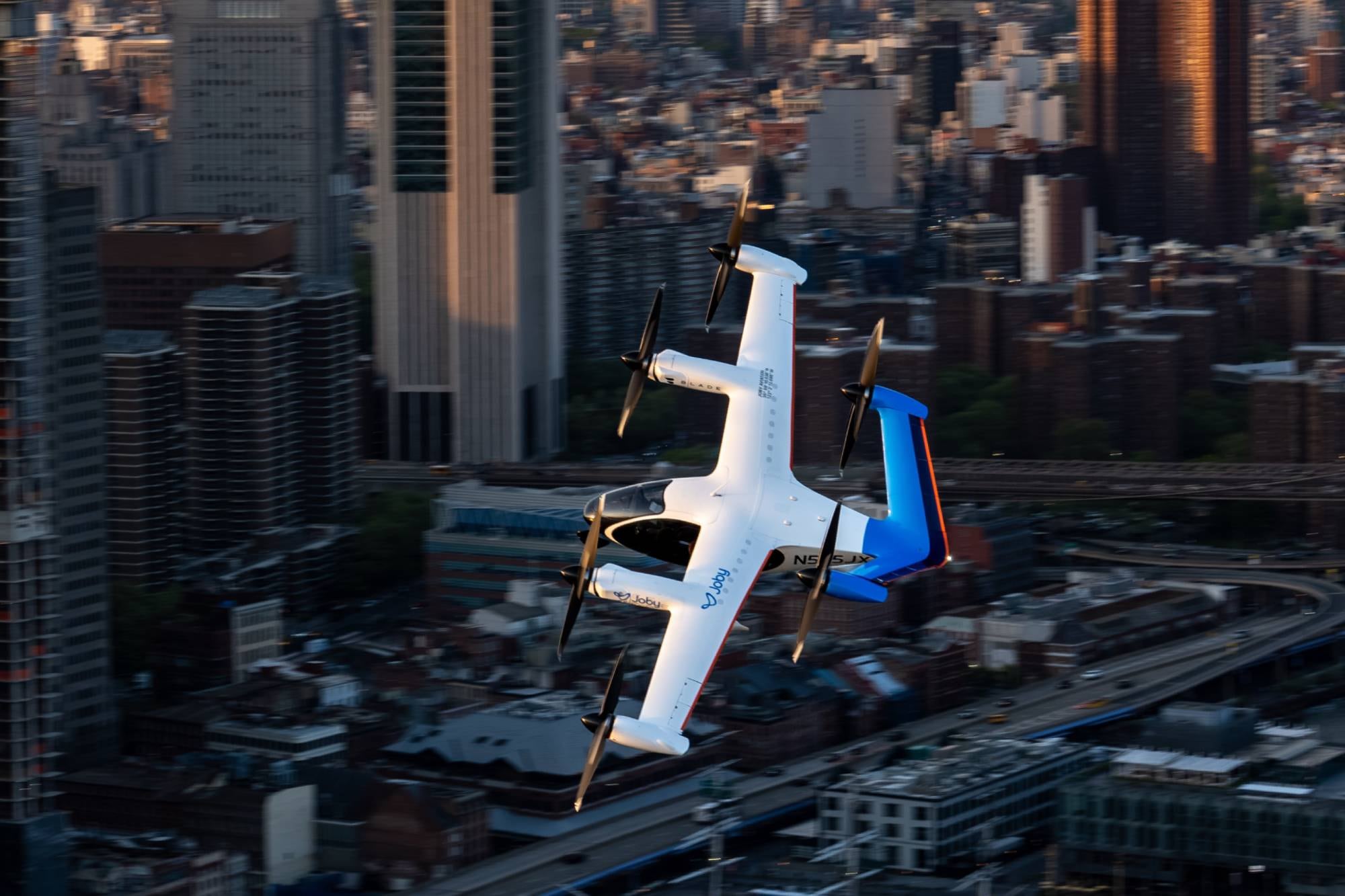
NASA is actively researching ways to make air travel more comfortable than current airplane experiences, focusing on the development of air taxis. The agency recently conducted a study using simulators to pinpoint specific movements that cause the most passenger discomfort. The goal of this research is to identify and implement design and operational changes that will lead to significantly more comfortable future flights. This initiative aims to address a key factor in the widespread adoption of air taxi services, ensuring a positive passenger experience. By understanding the nuances of passenger perception and motion sickness triggers, NASA intends to pave the way for a new era of urban air mobility. The findings will inform the design of both the aircraft and the flight paths, ultimately enhancing the overall journey. This forward-thinking approach by NASA highlights its commitment to advancing aviation technology beyond current limitations.
NASA's exploration into passenger comfort for air taxis reflects a strategic effort to overcome potential adoption barriers for advanced urban air mobility. By systematically identifying and mitigating motion-related discomfort through simulator studies, the agency is addressing a critical human-factors challenge. This proactive approach, focusing on user experience, is essential for integrating new transportation paradigms into daily life. The research underscores the importance of designing not just for technical feasibility but also for passenger acceptance, a key determinant of market success in the nascent air taxi industry. This focus on comfort, rather than solely on speed or efficiency, could prove pivotal in shaping public perception and regulatory frameworks over the next decade.
AI-generated to prompt reflection — not editorial opinion, not advice, not a statement of fact. How this works.