NASA Study Explores Passenger Comfort for Future Air Taxis
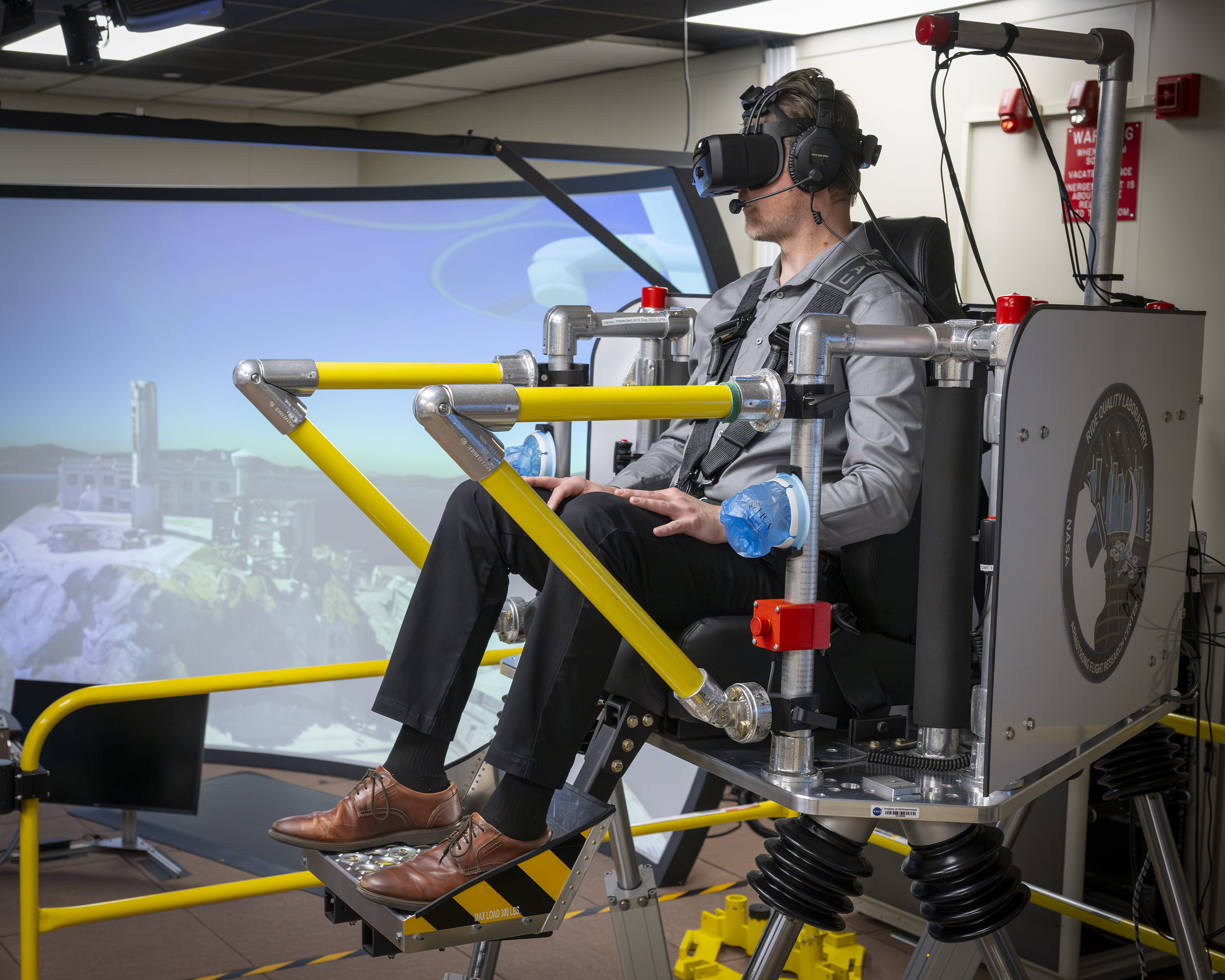
NASA has conducted a study to investigate passenger comfort levels in relation to the emerging air taxi industry. The research aims to understand how comfort influences people's willingness to use these small, vertical-takeoff-and-landing (VTOL) aircraft for short trips. By collecting data, NASA intends to provide valuable insights that can assist in the planning of air taxi routes and operations. The goal is to ensure that future air taxi services are not only efficient but also provide a pleasant experience for passengers. This initiative is crucial for the successful development and adoption of urban air mobility solutions. The study's findings will help manufacturers and operators design aircraft and flight paths that minimize discomfort. Ultimately, NASA's work could pave the way for more accessible and appealing air transportation in urban environments. The research focuses on identifying key factors that contribute to a comfortable flight, which is essential for building public trust and encouraging widespread use of air taxis.
This NASA study addresses a critical human-factors challenge for the nascent urban air mobility sector. By quantifying the relationship between flight dynamics and passenger comfort, the research provides a data-driven foundation for industry standards. This approach is vital for mitigating potential public perception issues that could hinder the adoption of air taxis, moving beyond purely technological feasibility to market acceptance. Understanding these comfort metrics will enable designers and operators to optimize flight paths and aircraft design, potentially reducing turbulence and motion sickness, thereby fostering trust and encouraging broader ridership in the coming decade as autonomous systems become more prevalent.
AI-generated to prompt reflection — not editorial opinion, not advice, not a statement of fact. How this works.