NASA Swift Telescope Faces Re-entry Due to Solar Storms, Rescue Mission Underway
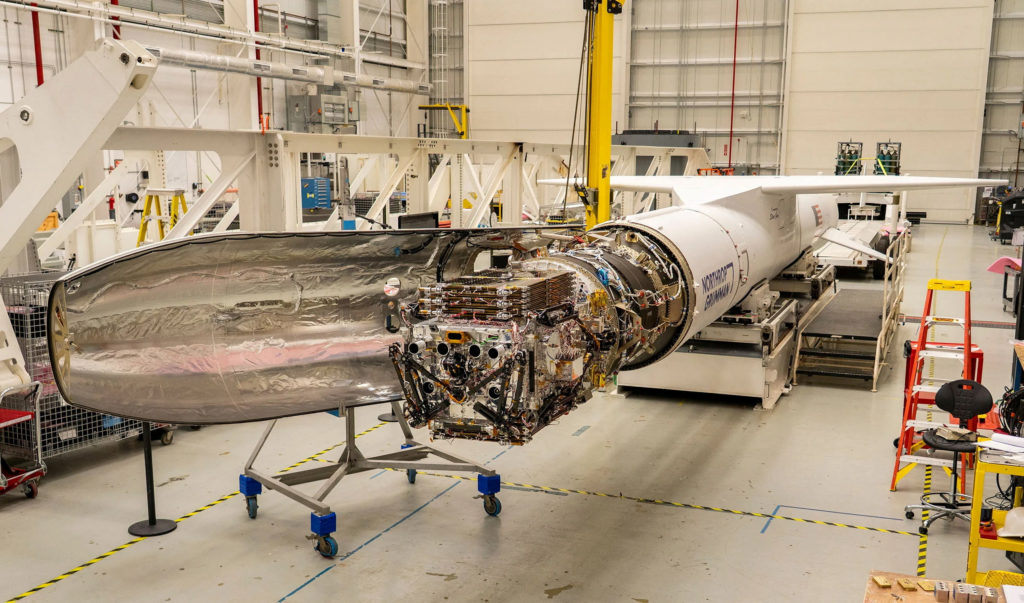
NASA's Swift telescope, launched in 2004, is now sinking back towards Earth at an accelerated rate. This increased descent is attributed to recent solar storms, which have impacted the Earth's upper atmosphere. The telescope's orbit is decaying faster than previously predicted, raising concerns about its operational lifespan and eventual re-entry. In response to this critical situation, a rescue mission has been launched by NASA. The objective of this mission is to attempt to save the valuable scientific instrument. Swift has been a crucial tool for astronomers, observing a wide range of cosmic phenomena, including gamma-ray bursts, supernovae, and other transient astronomical events. Its continued operation is vital for ongoing research and future discoveries in astrophysics. The success of the rescue mission will determine the future of this important observatory.
The accelerated orbital decay of the Swift telescope, driven by solar storm activity, highlights the dynamic and often unpredictable environmental factors influencing space-based assets. This event underscores the need for robust orbital maintenance strategies and contingency planning for scientific missions. As solar activity cycles continue, such atmospheric drag effects may pose increasing challenges to long-duration spaceflight, necessitating advancements in propulsion and orbital control technologies. The rescue effort demonstrates the significant investment NASA places on preserving its scientific infrastructure, reflecting the long-term value of observational data and the potential for future scientific breakthroughs.
AI-generated to prompt reflection — not editorial opinion, not advice, not a statement of fact. How this works.