NASA Tests Artemis Spacesuits Underwater for Lunar Training
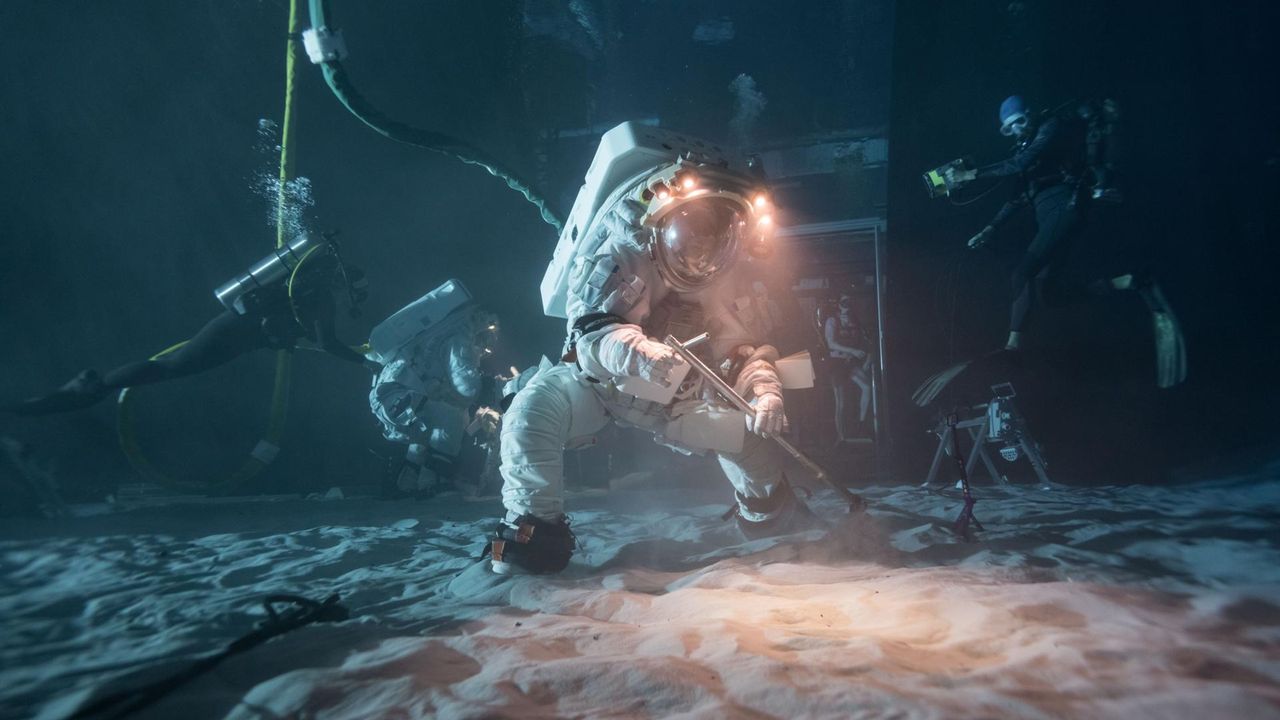
NASA is utilizing its Neutral Buoyancy Laboratory (NBL) to develop crucial training programs for its astronauts. These programs are designed to prepare the space explorers for the unique challenges of operating on the lunar surface. The NBL simulates the microgravity environment of space by submerging astronauts and equipment in a large pool. This allows them to practice movements, procedures, and tasks they will encounter during lunar missions. The development of these training protocols is a key step in NASA's Artemis program, which aims to return humans to the Moon. The agency is focusing on ensuring astronauts are proficient in handling their specialized moonsuits in a simulated lunar environment. This underwater training is essential for mastering the dexterity and operational capabilities required for surface exploration.
NASA's use of the Neutral Buoyancy Laboratory for Artemis astronaut training highlights a common and effective strategy for simulating extraterrestrial environments. This approach leverages established terrestrial infrastructure to mitigate risks associated with novel operational conditions. The NBL's simulation capabilities are critical for developing procedural muscle memory and identifying potential equipment or human performance limitations before costly and high-stakes lunar missions. As space exploration ventures further, the integration of advanced simulation technologies will be paramount for optimizing astronaut readiness and ensuring mission success within evolving technological and physiological constraints.
AI-generated to prompt reflection — not editorial opinion, not advice, not a statement of fact. How this works.