NASA Tests Innovative Wing Design to Determine Structural Breaking Point
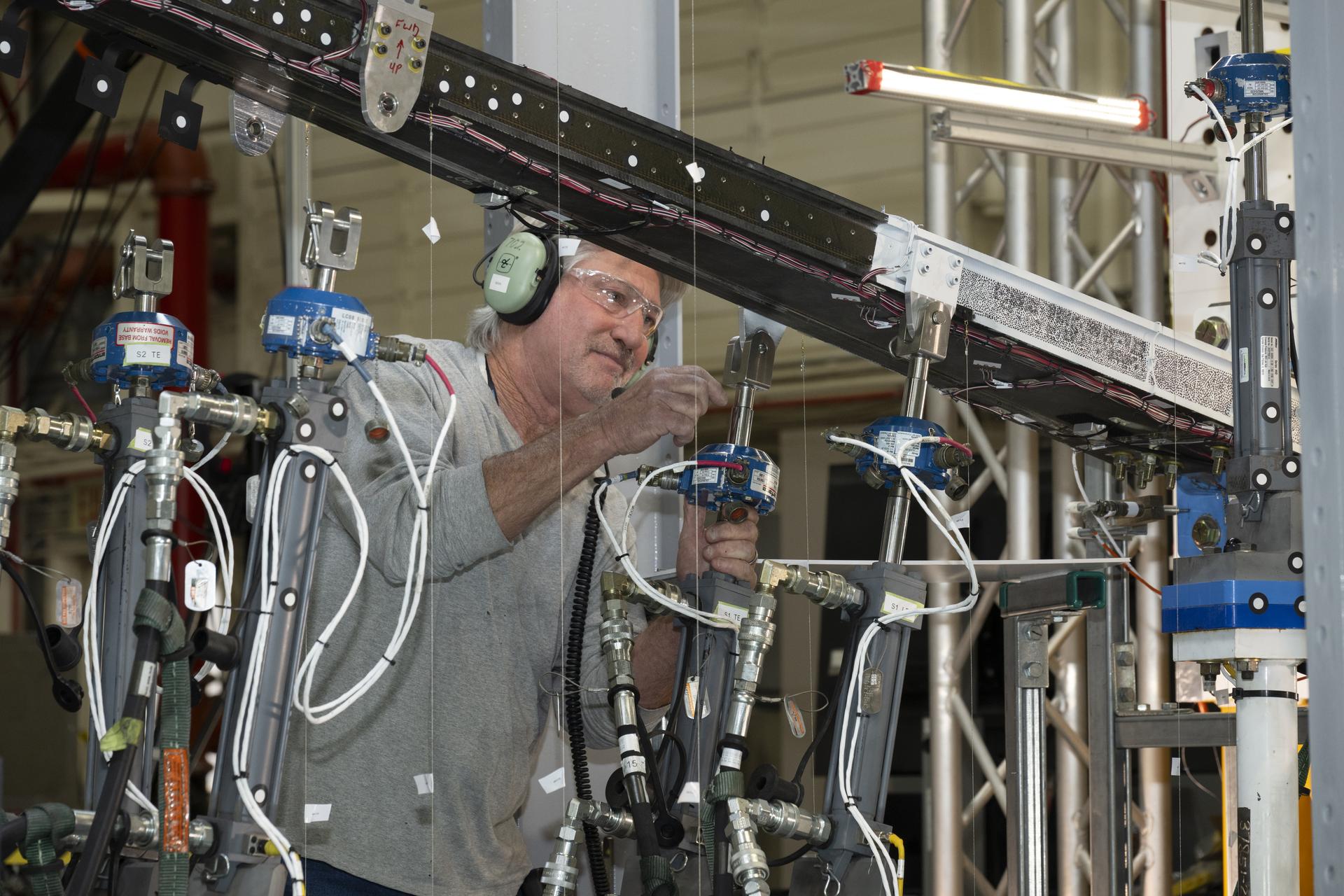
NASA researchers have subjected a novel wing design, characterized by its elongated, slender form and lightweight structure, to rigorous testing to ascertain its ultimate structural limits. The results of these tests proved encouraging, indicating the wing's significant potential even when subjected to stresses exceeding its design parameters. This experimental wing, known as the 15-foot Structural Wing Experiment Evaluating Truss-bracing (SWEET-15), underwent a series of demanding evaluations. The objective was to push the boundaries of its resilience and understand how it performs under extreme conditions. The successful outcome of these tests suggests that this advanced wing design could offer substantial advantages in future aerospace applications. Further details regarding the specific materials used, the testing methodologies, and the precise data obtained are expected to be released following a comprehensive analysis by the research team. The development represents a significant step forward in NASA's ongoing efforts to innovate aircraft wing technology.
NASA's exploration of advanced wing designs like SWEET-15 reflects a strategic imperative to enhance aircraft efficiency and performance through material science and structural engineering. By systematically testing beyond intended limits, researchers aim to establish robust safety margins and identify optimal operational envelopes. This approach, focusing on understanding failure points, is crucial for developing next-generation aerospace systems that can withstand extreme conditions, potentially leading to lighter, more fuel-efficient aircraft. The long-term implications involve advancements in structural integrity and aerodynamic capabilities, aligning with the broader technological trajectory towards more sustainable and capable flight.
AI-generated to prompt reflection — not editorial opinion, not advice, not a statement of fact. How this works.