NASA to Launch Two Probes to Moon to Study Complex Gravitational Dynamics
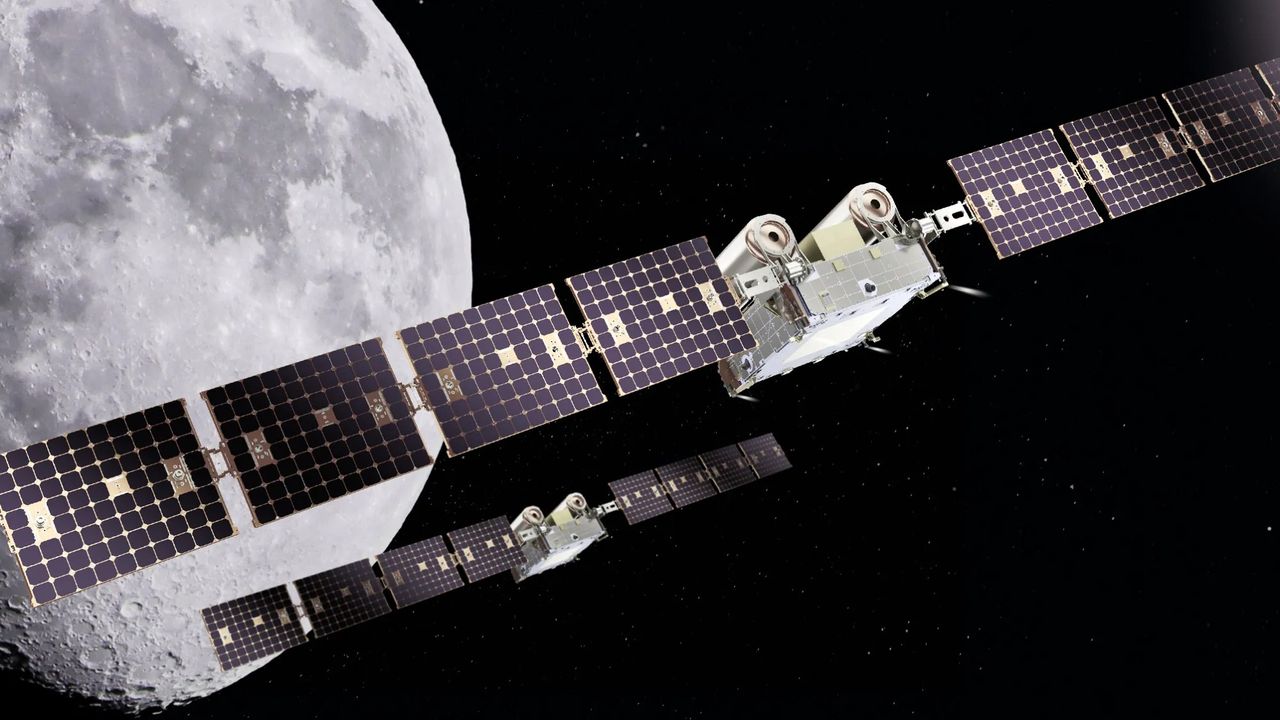
NASA is preparing to deploy two maneuverable probes to lunar orbit. The primary objective of this mission is to investigate how spacecraft are influenced by the intricate gravitational environment surrounding the moon. This endeavor aims to gather crucial data on orbital mechanics in a region characterized by the combined gravitational pull of the Earth and the Moon. Understanding these 'three-body orbits' is essential for future deep-space missions, particularly those involving sustained operations near celestial bodies. The probes will test complex orbital maneuvers and collect data on spacecraft behavior under these challenging conditions. This research is expected to enhance mission planning and improve the safety and efficiency of future lunar and interplanetary travel. The mission underscores NASA's commitment to advancing space exploration through scientific inquiry and technological development.
This mission represents a strategic investment in understanding complex orbital mechanics, a fundamental challenge for sustained space operations beyond Earth's immediate influence. By studying the 'three-body problem' in the Earth-Moon system, NASA aims to refine predictive models for spacecraft trajectories. This knowledge is critical for developing more efficient and resilient mission architectures, potentially reducing fuel consumption and increasing operational flexibility for future lunar bases or Mars transit missions. The insights gained could also inform the design of next-generation navigation systems, ensuring greater autonomy and precision in increasingly complex space environments.
AI-generated to prompt reflection — not editorial opinion, not advice, not a statement of fact. How this works.