NASA Unveils New Wind Tunnel for Lunar and Martian Flight Technology Development
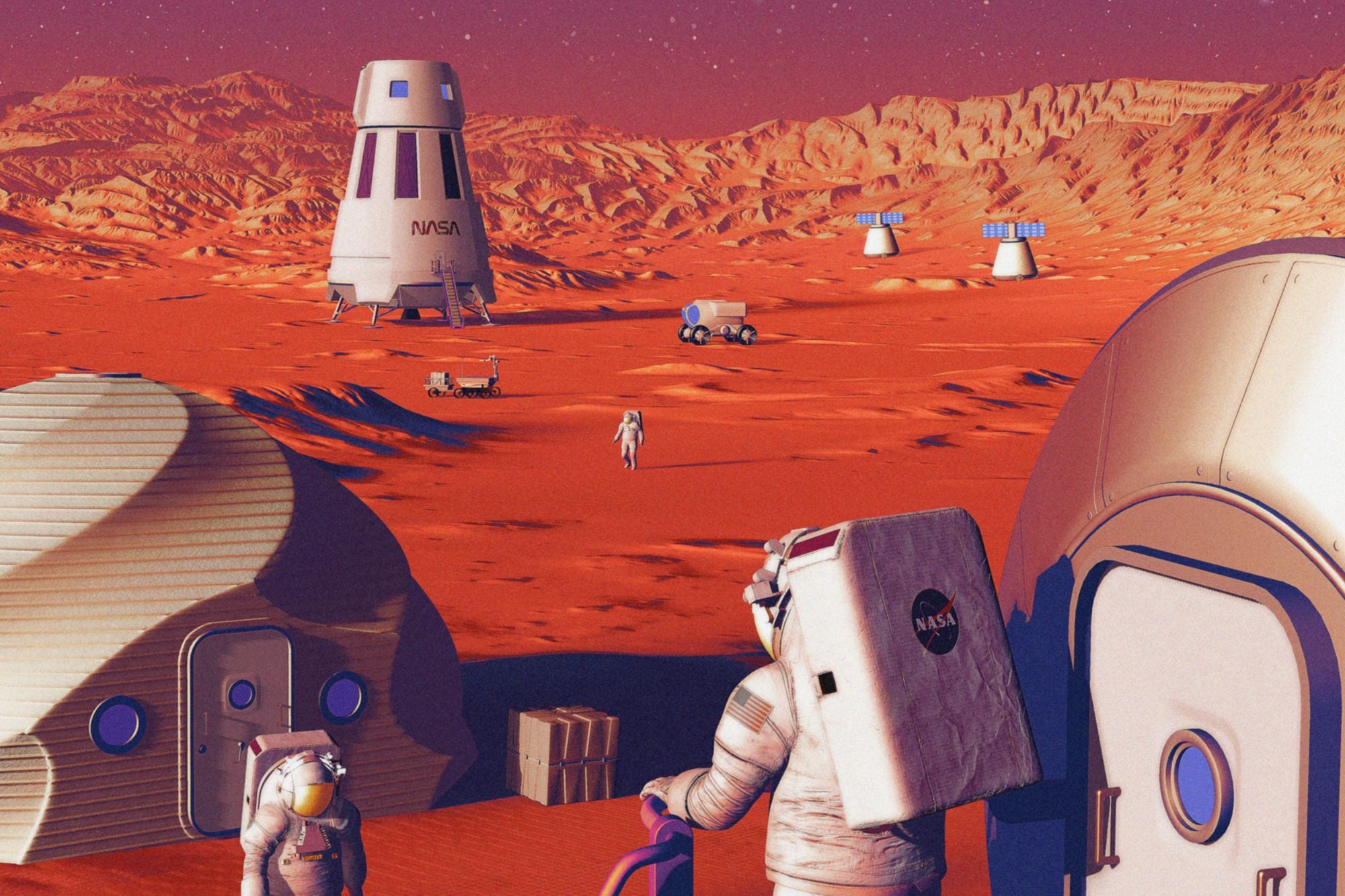
NASA has officially inaugurated a new wind tunnel facility crucial for developing advanced flight technologies. This state-of-the-art center will be instrumental in testing aircraft designed for future missions to the Moon and Mars. The facility represents a significant investment in accelerating space exploration capabilities. Engineers will utilize the wind tunnel to simulate various atmospheric conditions encountered during deep space travel. This will allow for rigorous testing of aerodynamic designs and propulsion systems. The goal is to ensure the safety and efficiency of spacecraft intended for lunar and Martian expeditions. The development of this technology is a key step in NASA's long-term strategy for human spaceflight beyond Earth's orbit. The new wind tunnel is expected to play a vital role in the design and validation of next-generation aerospace vehicles.
The establishment of this new wind tunnel facility by NASA underscores a strategic commitment to overcoming the complex aerodynamic challenges of extra-terrestrial flight. By investing in advanced simulation capabilities, the agency aims to de-risk the development of technologies essential for lunar and Martian surface operations and transit. This move reflects a broader trend in aerospace, where sophisticated ground-based testing is becoming increasingly critical for managing the high costs and inherent risks of space missions. The facility's role in refining designs for future missions highlights the interplay between technological innovation and long-term strategic objectives in space exploration, preparing for a future where sustained human presence beyond Earth may become a reality.
AI-generated to prompt reflection — not editorial opinion, not advice, not a statement of fact. How this works.
