Natal Beach Vendors Must Carry Whistles to Signal Drownings
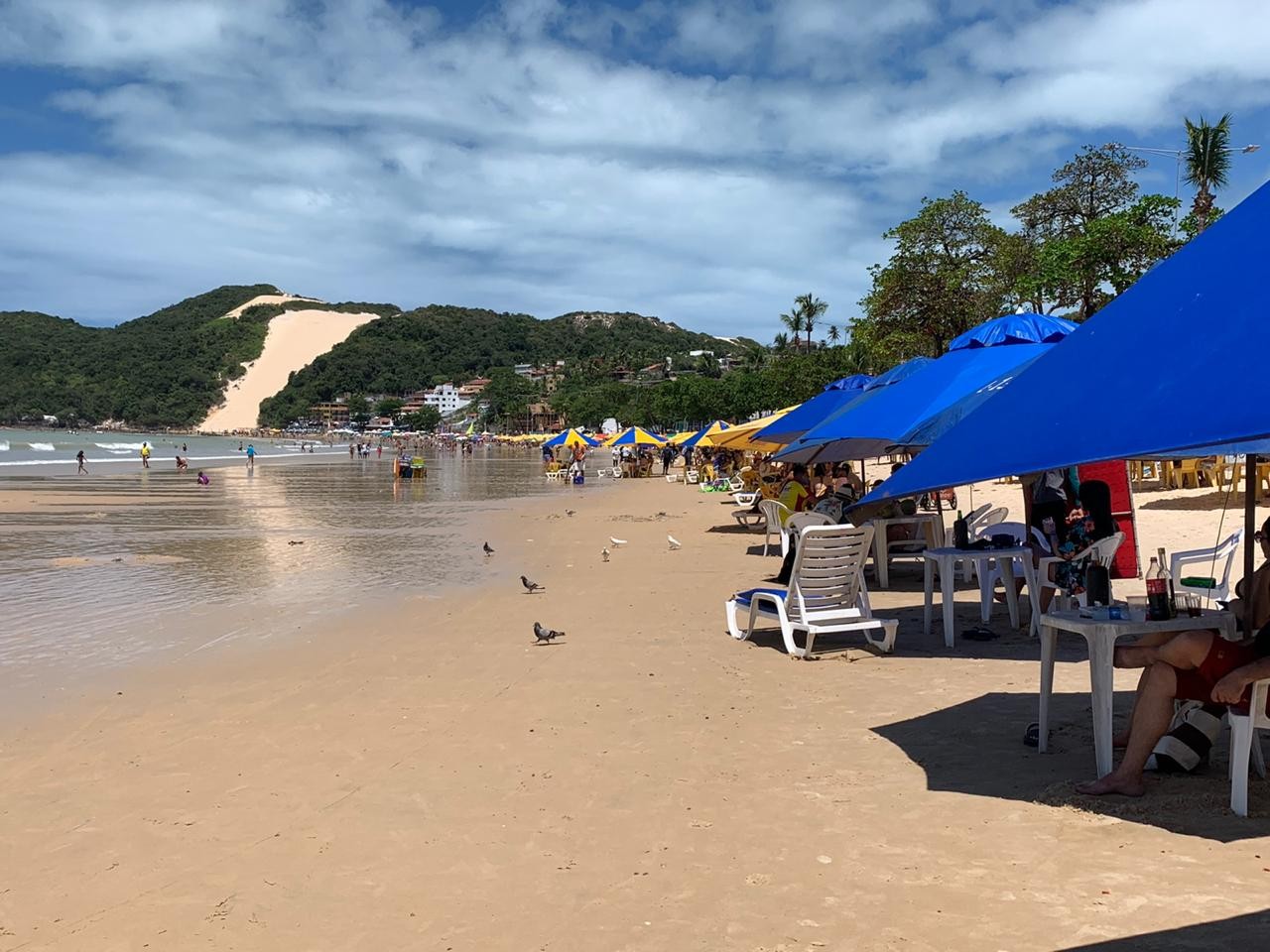
A new law in Natal, Brazil, mandates that beach vendors and stall operators must carry emergency whistles to signal drowning incidents. This measure applies to professionals authorized by the government to operate along the city's coastline, including at popular Ponta Negra beach near Morro do Careca. The city hall has stated that operating permits for these vendors will be contingent upon their possession and proper use of the emergency whistles. The law, approved by the Municipal Chamber and sanctioned by Mayor Paulinho Freire, took effect on Tuesday, May 14th. The whistle is intended to be used by an adult to alert lifeguards or other trained individuals to a drowning, thereby facilitating a swift rescue response. The legislation also specifies penalties for misuse, such as unnecessary or false alarms, which can result in warnings, fines, and, for repeat offenders, the suspension of their operating permits. Designated executive bodies will oversee enforcement and can impose penalties for non-compliance. Introduced by councilman Aldo Clemente (PSDB), the bill highlights the crucial role of beach vendors in the local economy and as observers of maritime conditions. The justification emphasizes that their widespread presence along the shore makes them vital in providing rapid responses to risks, particularly drowning prevention. By requiring emergency whistles, the law aims to enhance rescue services and foster a culture of shared responsibility for public safety, integrating the local community into accident mitigation efforts. The initiative is expected to make beaches safer, bolster accident prevention, and improve public management efficiency.
This municipal ordinance in Natal integrates informal economic actors into public safety infrastructure, leveraging their ubiquitous presence on beaches for emergency signaling. The policy creates a novel, low-cost mechanism for augmenting lifeguard capabilities, potentially reducing response times in critical drowning incidents. However, it introduces a new layer of regulatory compliance and enforcement for vendors, whose primary economic activity may be disrupted by the obligation. The effectiveness hinges on consistent training, reliable whistle functionality, and clear protocols for use and response, alongside robust enforcement to deter misuse. This approach could serve as a model for other municipalities seeking to enhance beach safety by engaging local businesses and communities, balancing economic participation with public welfare responsibilities.
AI-generated to prompt reflection — not editorial opinion, not advice, not a statement of fact. How this works.