Natal, Brazil: Rabies Vaccination Campaign Continues This Saturday, September 18th
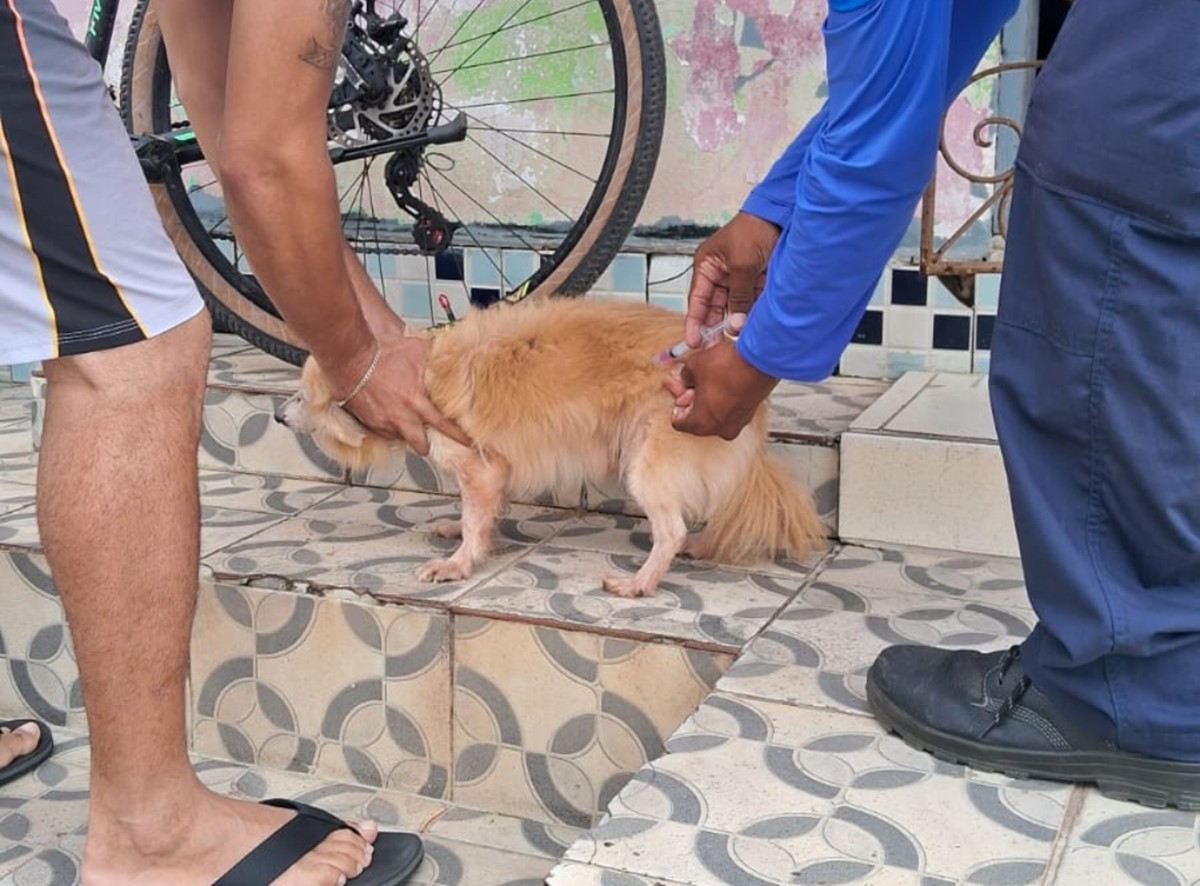
Natal's Municipal Health Secretariat (SMS) has announced vaccination sites for the 2026 Rabies Vaccination Campaign, taking place this Saturday, September 18th. The campaign includes five fixed vaccination points and door-to-door services in select neighborhoods. Healthy dogs and cats aged three months or older are eligible, provided they haven't had pharmacological treatment in the last 30 days and haven't received the rabies vaccine in 2026. The campaign, which began on July 1st, has already vaccinated approximately 12,400 animals as of Friday, September 17th, aiming for an 80% coverage rate. Luciano Pereira da Silva, head of the Zoonosis Surveillance Unit, emphasized the importance of vaccination for public health. The campaign is scheduled to run until September 30th, with a main strategy of door-to-door vaccination and a "Dia D" (Big Day) event on September 26th. The SMS highlighted that rabies is a nearly 100% fatal viral disease in mammals, including humans, transmitted primarily through bites or scratches from infected animals. Periodic vaccination is the primary prevention method, crucial for interrupting human transmission. This Saturday's fixed posts include Dengo Rações and the Zoonosis Surveillance Unit in the North, Mel Rações in Nossa Senhora da Apresentação, Policlínica Oeste in Cidade da Esperança, and Superbox in Pitimbu. Door-to-door vaccination will cover Pajuçara, Nossa Senhora da Apresentação, Quintas, Planalto, and Lagoa Seca.
This initiative addresses a critical public health concern by proactively managing the transmission of a highly lethal zoonotic disease. The campaign's multi-pronged approach, combining fixed sites with door-to-door outreach, aims to maximize accessibility and achieve herd immunity for rabies within the canine and feline populations. Such systematic efforts are vital for safeguarding human health by disrupting the disease's transmission cycle. Looking ahead, the integration of public health campaigns with evolving data analytics and community engagement strategies could further enhance efficiency and impact in future disease prevention efforts.
AI-generated to prompt reflection — not editorial opinion, not advice, not a statement of fact. How this works.