Natal experiences 23% above-average rainfall in first half of 2026
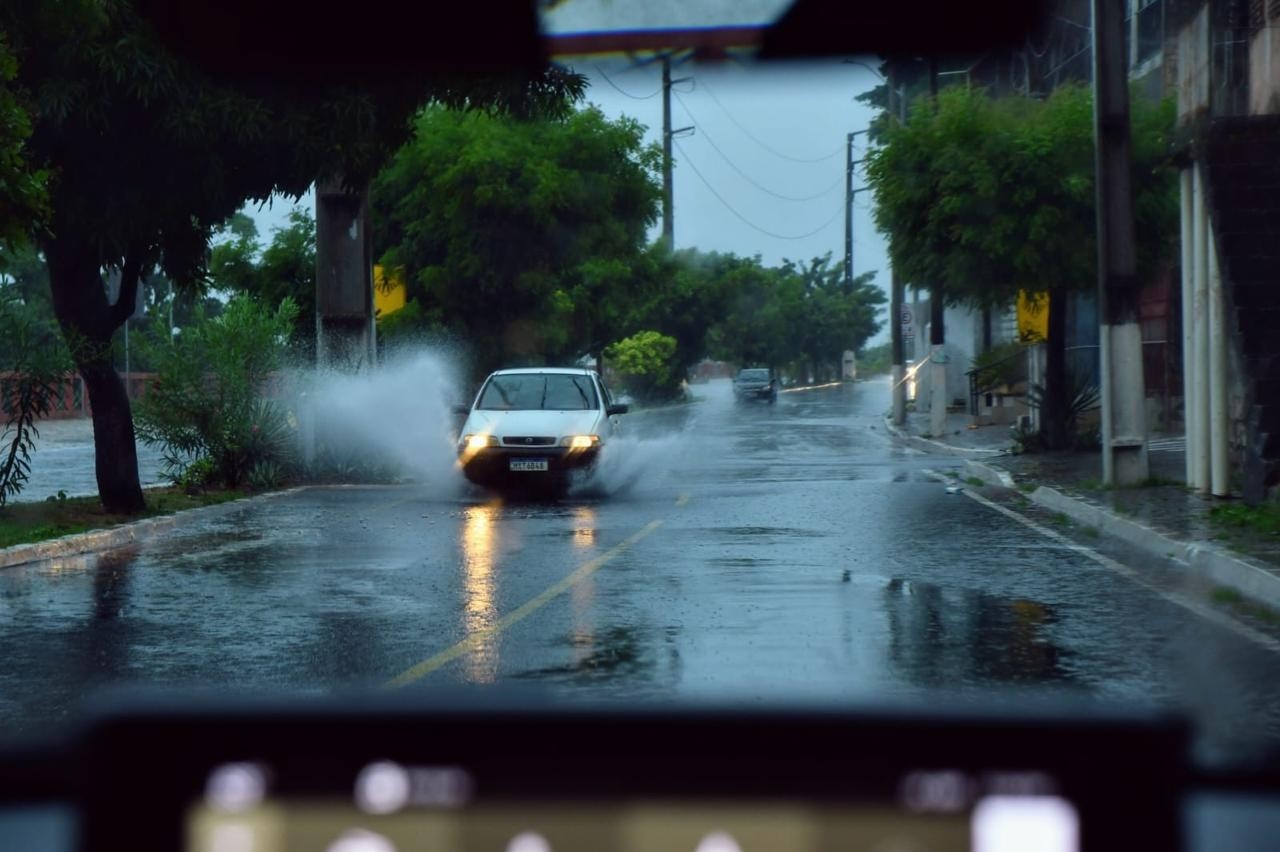
Natal, Brazil, concluded the first half of 2026 with rainfall levels 23.2% higher than the historical average for the period. These figures were released by the Natal Civil Defense agency, based on measurements from the National Institute of Meteorology (Inmet). Between January and June of this year, 1,381.6 millimeters of precipitation were recorded, which is 260 millimeters more than the historical average of 1,121.3 millimeters over the past 22 years. The Inmet historical series began in 2003 and only includes years with consistent measurements, excluding periods with data gaps. The Civil Defense is urging residents to help preserve the drainage system by avoiding the improper disposal of trash in streets, drainage channels, and storm drains, as this practice hinders rainwater runoff and increases flood risks. In emergencies, the agency can be reached at 199. The Inmet had also issued an alert for intense rainfall across all 167 municipalities in Rio Grande do Norte until Sunday, June 5th at 11:59 PM. This alert, active since Saturday, June 4th, reduced the number of affected cities starting Monday but kept Natal among them. The alert's severity level is 'potential danger' (yellow), predicting rainfall between 20 and 30 mm/h or up to 50 mm per day, along with possible intense winds ranging from 40 to 60 km/h. Inmet noted that this type of alert carries a low risk of power outages, falling tree branches, flooding, and electrical discharges.
The significant rainfall in Natal, exceeding the historical average by over 23%, highlights the increasing unpredictability of weather patterns, a trend amplified by climate change. While the current alert from Inmet categorizes the risk as 'potential danger' with low probabilities of severe consequences, the elevated precipitation levels necessitate a proactive approach to urban infrastructure resilience. This includes robust maintenance of drainage systems and public awareness campaigns against improper waste disposal, which exacerbate flooding risks. Looking ahead, urban planning in Natal and similar coastal cities must integrate long-term climate adaptation strategies, potentially involving nature-based solutions and revised building codes to mitigate the impacts of more frequent and intense rainfall events over the next decade.
AI-generated to prompt reflection — not editorial opinion, not advice, not a statement of fact. How this works.