Natal Experiences Heavy Rainfall Exceeding 90mm, Causing Flooding
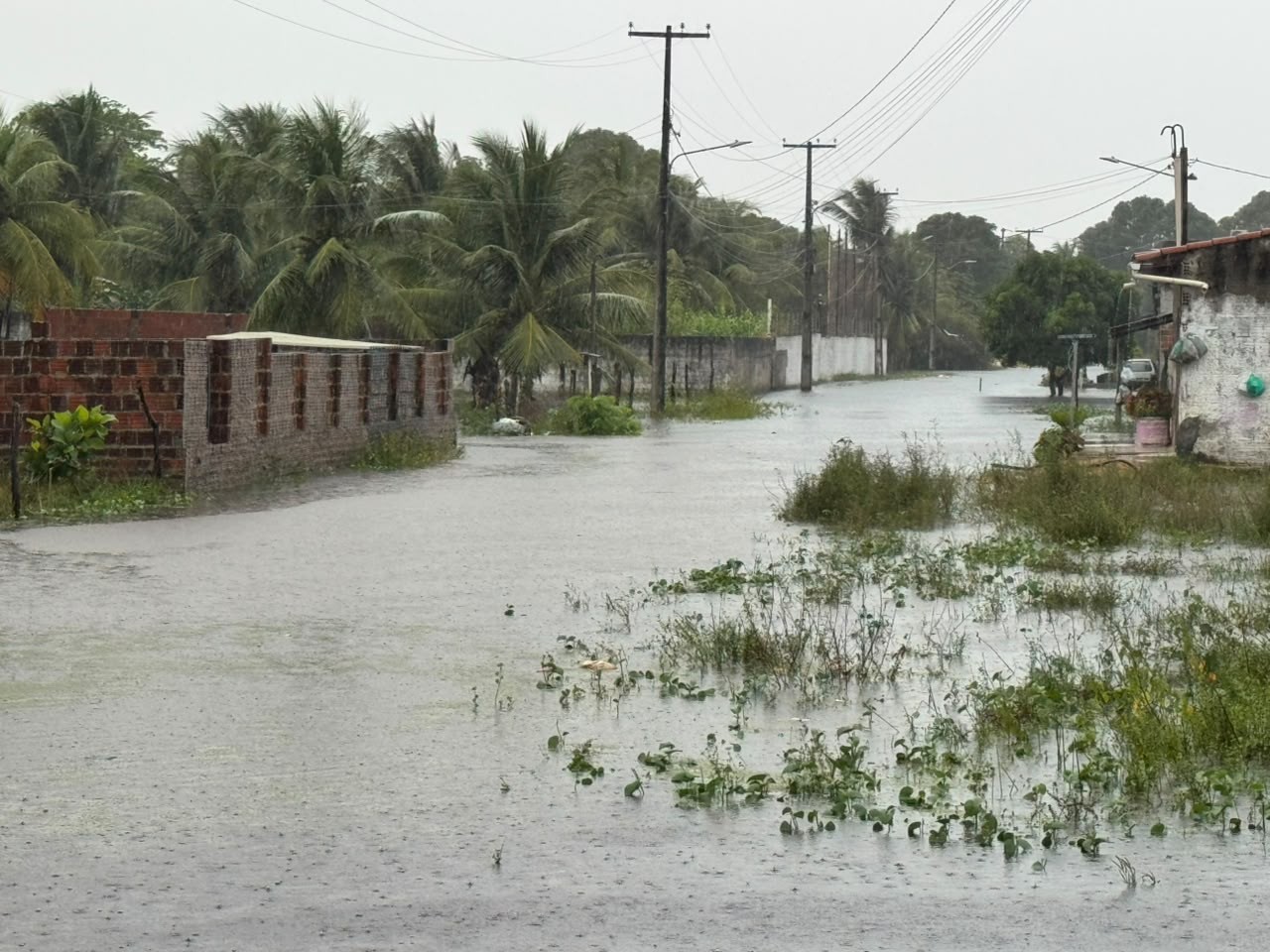
Natal, the capital of Rio Grande do Norte, experienced significant rainfall exceeding 90 mm between Monday, December 20th, and Tuesday, December 21st. One collection point recorded 91.2 mm in the Tirol neighborhood, the highest volume reported. The municipal average precipitation across the city was approximately 68.5 mm over a 24-hour period. Other areas also saw substantial rainfall, with Pajuçara recording 82.4 mm and Ponta Negra 73.4 mm. These figures were gathered by the Municipal Secretariat of Environment and Urbanism (Semurb) in conjunction with the Geoma research group. The heavy rains led to at least four roads becoming impassable and nearly twenty streets flooding on Tuesday morning, according to the Secretariat of Urban Mobility (STTU). The National Institute of Meteorology (Inmet) issued a rain alert for Natal and 108 other municipalities in Rio Grande do Norte, forecasting hourly rainfall between 20 and 30 millimeters, valid until midnight. The municipality of Natal stated it is continuously monitoring the weather conditions and rainfall volumes. Across the state, Pureza registered the highest average rainfall at 89 mm, followed by Tibau do Sul with 85 mm. Several other cities, including Parnamirim and São Gonçalo do Amarante, also received over 50 mm of rain.
The intense rainfall in Natal highlights the vulnerability of urban infrastructure to extreme weather events, a growing concern in the context of climate change. The data collected by municipal and state agencies provides valuable metrics for understanding precipitation patterns and their impact on urban areas. Future urban planning and infrastructure development will need to integrate more robust flood mitigation strategies, considering the potential for increased frequency and intensity of such events. Analyzing the distribution of rainfall across different neighborhoods and its correlation with infrastructure resilience can inform targeted improvements and resource allocation. This event underscores the importance of reliable meteorological monitoring and timely public warnings to minimize disruption and ensure citizen safety.
AI-generated to prompt reflection — not editorial opinion, not advice, not a statement of fact. How this works.