Natal Hospital to Pay R$5,000 for Administering Wrong Medication to Pregnant Patient
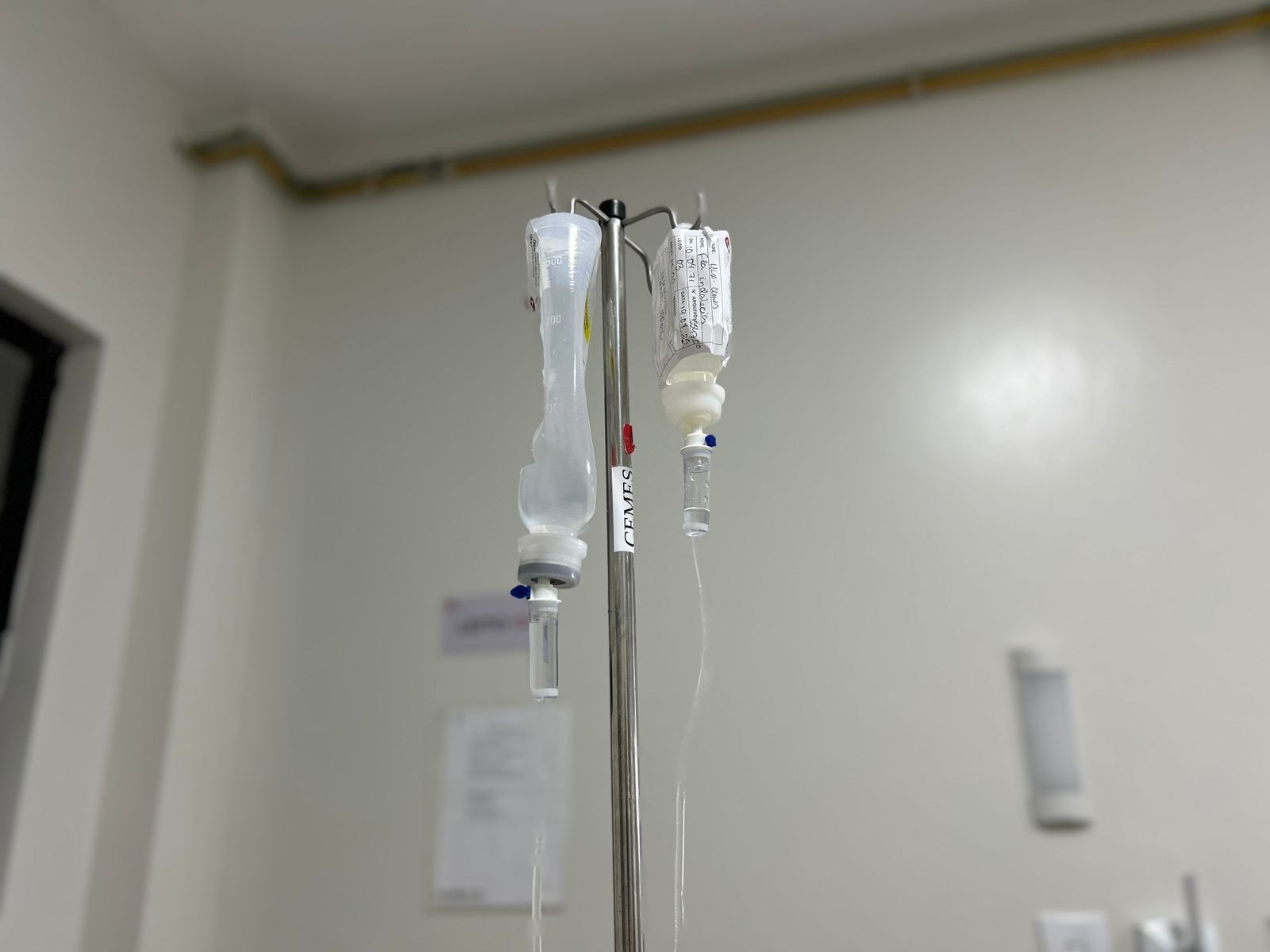
A private hospital in Natal, Rio Grande do Norte, has been ordered to pay R$5,000 in moral damages and refund R$934.45 to a pregnant patient who received the incorrect medication. The patient was undergoing treatment for iron deficiency, a condition that can increase risks during pregnancy, and had been prescribed Ferinject. In December 2025, she went to the hospital for the infusion and paid the specified amount. However, she noticed the IV fluid was brown upon administration and was denied a look at the medication vial by nursing staff. Suspicious, she emailed the hospital's ombudsman to inquire about the medication, noting she had not been shown visual confirmation of the prescribed drug. The hospital later admitted in an email that Noripurum had been administered instead of Ferinject. They also committed to refunding the cost of the medication, a promise that was not fulfilled. Following the incident, a January 2026 examination showed a regression in her ferritin levels. The hospital offered a settlement of R$1,000, arguing that both medications had similar therapeutic purposes and posed no risk. The patient rejected the offer and proceeded with legal action. Judge Ana Cláudia Florêncio of the 10th Special Civil Court of Natal cited the hospital's failure to provide technical evidence to counter the patient's account and acknowledged the iron level regression. The judge emphasized the heightened need for safety in healthcare settings and the particular vulnerability of pregnant patients, deeming the error a significant breach of service that exceeded mere inconvenience and warranted moral compensation.
This case highlights a critical failure in patient safety protocols within a private healthcare facility, specifically concerning medication administration and patient rights to information. The hospital's admission of error and subsequent inadequate response, including the unfulfilled refund promise, underscore systemic issues in quality control and patient grievance management. The judge's ruling emphasizes that even when alternative medications share similar therapeutic goals, a deviation from a prescribed treatment plan for a vulnerable patient, such as a pregnant woman, constitutes a significant service failure. This incident prompts reflection on the importance of robust verification processes, transparent communication with patients regarding treatments, and effective post-procedural follow-up to prevent potential adverse health outcomes and maintain patient trust in healthcare systems.
AI-generated to prompt reflection — not editorial opinion, not advice, not a statement of fact. How this works.