Natal Launches Public Transport Tender with Upgrades Like AC, Wi-Fi, and Shorter Wait Times
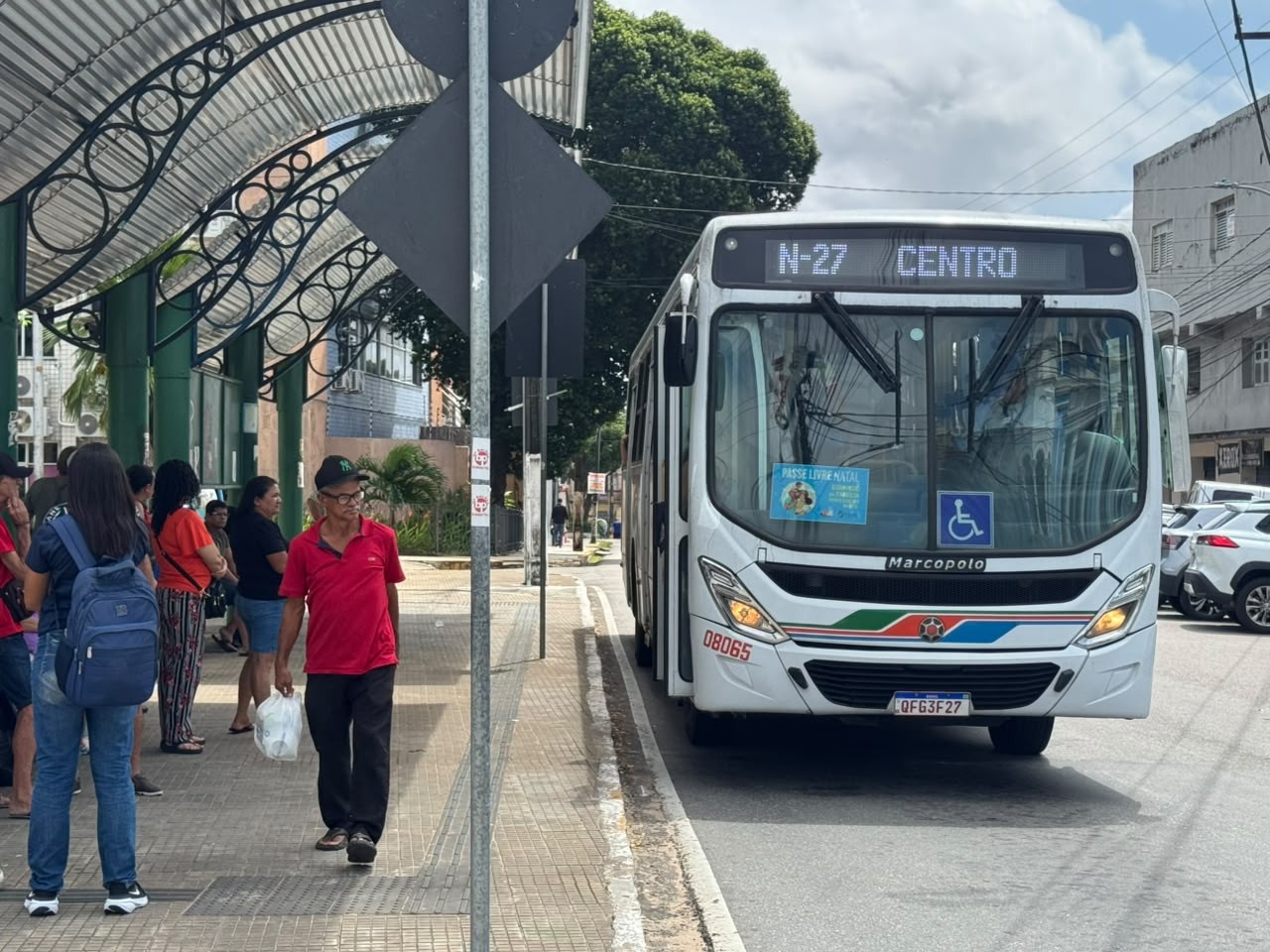
The municipality of Natal, Rio Grande do Norte, has officially launched the public transport bidding process, with the tender expected to be published on August 4th in the Official Gazette. Key improvements for users include a portion of the fleet being equipped with air conditioning and Wi-Fi, and a significant reduction in waiting times at bus stops. The current fare of R$ 5.20 will be maintained, along with free travel on Sundays. The concession is planned for a 15-year term, with contract values and investment details to be released simultaneously to all bidders. This tender follows a previous attempt in November 2016 that failed to attract any companies, leading to a reduction in services and operational issues over time. The gradual implementation of air conditioning will see 100% of the fleet equipped by the end of the contract. Daily weekday trips are set to increase by 1,347, from 1,820 to 3,167, aiming for an average wait time of 12 minutes on high-demand routes and a maximum of 30 minutes on all routes. The number of lines will expand from 54 to 85, and the 'corujão' (overnight service) lines will increase from 4 to 10. The average age of the bus fleet is targeted to decrease from over 10 years to six years. Additional features include internal and rear-view cameras, a real-time passenger app, and an operational control center. The contract signing is anticipated between December 2026 and January 2027, followed by a 180-day mobilization period for companies to invest in fleets and infrastructure. Unlike the previous tender, this one includes public subsidies to make it more attractive to bidders, bridging the gap between the technical and public fares. This subsidy, a provision enabled by national urban mobility plans, was not available in the prior unsuccessful bid. A 2023 report by ANTP highlighted issues in Natal's public transport, including passenger decline, aging vehicles, and insufficient peak-hour services, problems exacerbated by line reductions during the COVID-19 pandemic.
The relaunch of Natal's public transport tender signifies a renewed municipal effort to address long-standing service deficiencies, including aging fleets and inadequate service frequency. The inclusion of modern amenities like air conditioning and Wi-Fi, alongside a significant increase in service capacity and a commitment to maintaining current fares with Sunday free travel, aims to enhance user experience and ridership. The introduction of public subsidies, a key differentiator from the failed 2016 tender, acknowledges the economic realities of providing essential public services and seeks to attract private investment by mitigating financial risks for operators. This approach reflects a broader trend in urban planning where public-private partnerships are leveraged to fund infrastructure improvements, contingent on the effective oversight of service quality and financial transparency. The success of this 15-year concession will likely depend on the municipality's ability to enforce contractual obligations, manage the phased implementation of upgrades, and ensure that the promised service improvements translate into tangible benefits for the commuting public.
AI-generated to prompt reflection — not editorial opinion, not advice, not a statement of fact. How this works.
